Song Meaning
The lyrics paint a picture of profound loneliness and a desperate plea for remembrance, set against a backdrop of a city drowning in a storm. The narrator implores a distant or indifferent lover to recall their existence, especially on a night devoid of connection. The absence of intimacy, tenderness, and love is palpable, creating a stark emotional landscape where the narrator feels utterly lost and incomplete without it. This isn't just a breakup song; it's a cry from the void.
The central tension lies in the contrast between the narrator's intense need for love and the perceived emotional barrenness of the other person. The narrator feels consumed by regret and pain, viewing their life as a relentless highway leading to an inevitable end, a journey made unbearable by this lack of affection. The repeated phrase "che non c'è sesso senza amore" (that there's no sex without love) acts as a mantra, highlighting the narrator's belief that true connection transcends mere physical intimacy, a belief seemingly unmet by their current reality.
A striking image is the imagined city "dove gli uomini sanno già volare" (where men already know how to fly), suggesting a utopian ideal where love and connection are effortless and pure, free from deceit and pain. This fantasy serves as a stark counterpoint to the narrator's own lived experience, where love is a scarce commodity and the heart is described as "raramente s'innamora" (rarely falls in love). The narrator's plea to be remembered, "Ricordati di me, della mia pelle" (Remember me, of my skin), is a raw request to be seen and felt, not just recalled.
Ultimately, the effectiveness of these lyrics stems from their raw vulnerability and the stark, almost bleak, imagery used to convey emotional desolation. The narrator's self-description as an "anima ribelle" (rebellious soul) juxtaposed with their utter dependence on love creates a compelling portrait of a person struggling against their own nature and circumstances. The final lines, urging the other to "Ricordati di te, com'eri prima" (Remember yourself, as you were before) and acknowledging that "questa vita e questo tempo vola" (this life and this time fly), amplify the urgency and the tragic sense of time slipping away.
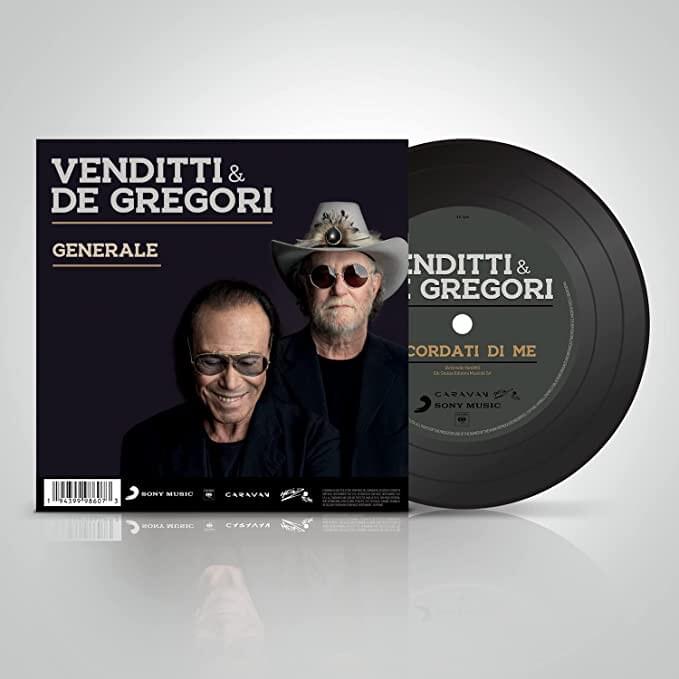
 View Artist