Song Meaning
The lyrics open with a poignant, direct address to Rome, immediately establishing a sense of personal connection and loss. The speaker asks, "Roma dove sei?" before declaring a shared fate: "Oggi prigione tu / Prigioniera io." This striking reversal suggests a mutual confinement, where the city itself is trapped, and the speaker feels equally ensnared by its present reality.
This immediate intimacy quickly gives way to a profound disillusionment. Rome, once an "antica città," is now a "vecchia realtà," a stark contrast between its storied past and a perceived decline. The speaker feels overlooked by the city ("Non ti accorgi di me") and expresses a deep pity, repeating the sentiment "che pena mi fai/dai" – a lament for what Rome has become, and perhaps for the speaker's own emotional investment in it.
The lyrics paint a vivid picture of this decay through powerful, recurring imagery. Rome is depicted with "il cuore nel fango," a visceral image suggesting corruption or degradation beneath a surface of "L'oro e l'argento, le sale da tè." The phrase "Paese che non ha più campanelli" evokes a loss of innocence, joy, or perhaps a warning system, reinforcing the sense of something vital having vanished. These lines, repeated across stanzas, underscore the persistent nature of this observation.
Yet, despite this bleak assessment, a lingering, almost wistful affection persists. The "dolce vita che te ne vai" acknowledges the departure of a famed era, but the city still carries a "Profumo tuo di vacanze romane." Rome is personified as a "Greta Garbo di vanità" and a "vedova allegra, maitresse dei caffè" – figures of fading glamour and complex, perhaps jaded, allure. This blend of disillusionment and enduring romanticism makes the lyrics emotionally resonant, capturing the bittersweet experience of witnessing a beloved place transform.
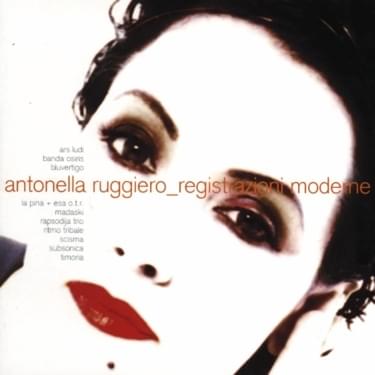
 View Artist