Song Meaning
These lyrics present a world of constant movement and global connection, yet paradoxically, everything feels the same. The speaker travels widely, observing events from "東京哭過" to "巴西燒過," but finds an unsettling uniformity. There's a pervasive sense of resignation to this inescapable sameness.
The central tension lies in the speaker's yearning for distinction against the backdrop of a homogenized world. Phrases like "到處也是異地 一切過後別要一樣" express a desire for unique outcomes, immediately contrasted by the reality that "一切最後亦會一樣." This global sameness extends to mundane observations, where "北方的商店為何南面也亮著," suggesting a pervasive, almost unsettling, lack of true variation.
A key craft element is the way personal longing intertwines with these global observations. The repeated lament "結果也一樣" isn't just about places; it extends to personal encounters, as "連邂逅 都會一樣." This suggests that the external world's uniformity mirrors an internal landscape where new experiences fail to break a cycle of emotional repetition.
Ultimately, the lyrics are effective because they ground this universal feeling of sameness in a deeply personal, unresolved connection. The haunting lines "懷疑同樣遇到你" and "誰和誰同樣酷似你" reveal that the "one world" isn't just a physical space but a psychological one, where every new face or experience is filtered through the indelible memory of a past individual, making true novelty or escape impossible.
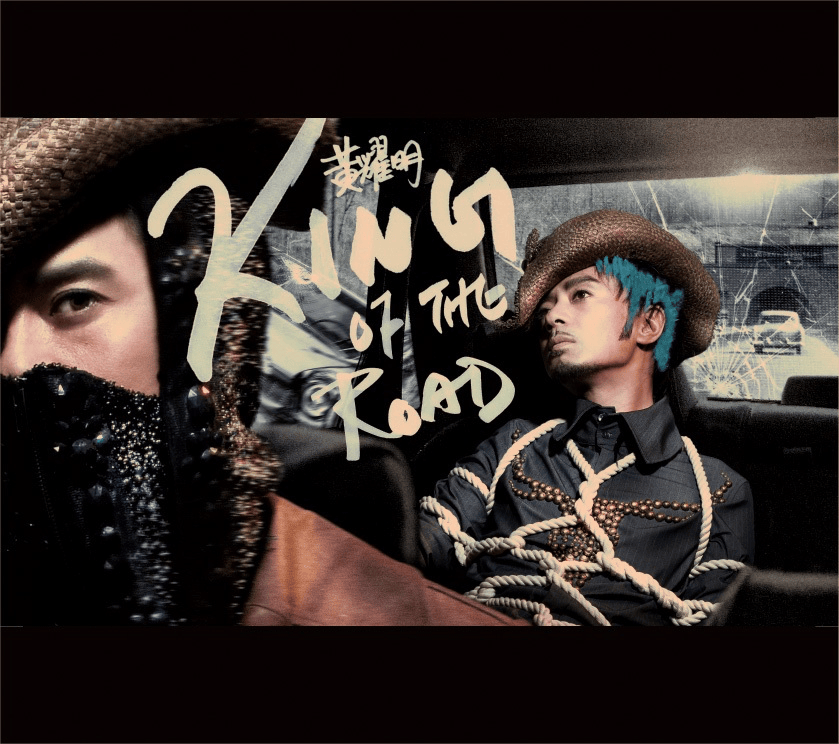
 View Artist