Song Meaning
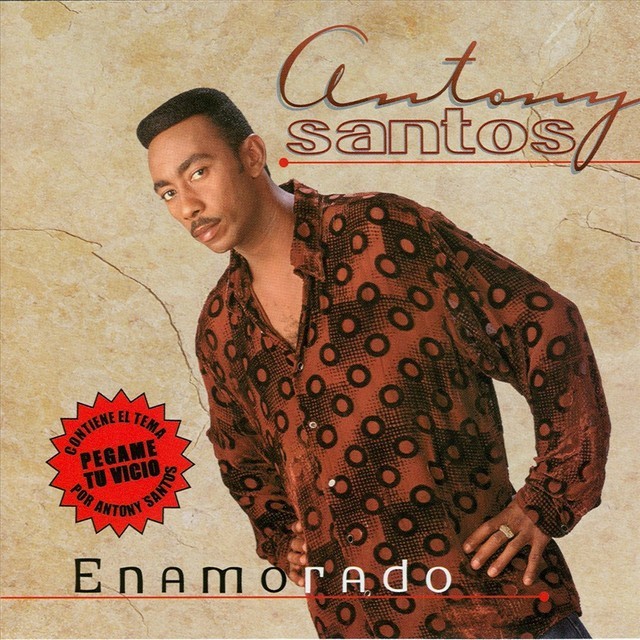
This track kicks off with a raw, almost defiant energy, immediately setting a scene of uninhibited revelry. The opening lines, referencing "Bachata... Anthony Santos," ground the listener in a specific Dominican musical context, while "callejera tambien pa' romperte el corazon" hints at a defiant, streetwise attitude, suggesting a night out that’s as much about emotional release as it is about partying. The dominant tone is one of determined escapism, a deliberate choice to drown out any underlying sorrow.
The central tension here is the narrator's explicit decision to drink and get drunk, repeated for emphasis. This isn't a casual night out; it's a conscious act of self-medication. The phrase "yo no se que sera no se por que motivo" reveals a core of uncertainty about the root cause of their feelings, yet it doesn't prevent the immediate, decisive action: "Pero hoy beber." The need to feel good and the desire to party are presented as sufficient justification for this self-induced oblivion.
The most striking element is the sheer repetition of "Hoy yo voy a beber me voy a emborrachar." This isn't just emphasis; it's a mantra, a declaration of intent that underscores the urgency and perhaps the desperation behind the narrator's actions. The structure reinforces the idea that the decision to drink is the primary, overriding impulse of the night, a way to navigate unspecified feelings by embracing a temporary, chemically induced state of well-being and a desire to "parrandear" (party).
What makes these lyrics hit hard is their directness and the raw honesty of seeking solace in intoxication when the reasons for distress are unclear. The narrator isn't pretending to be happy; they are actively choosing to *feel* good, even if it's through artificial means. This unvarnished approach to emotional coping, driven by a simple, repeated resolve, creates a powerful, albeit temporary, sense of liberation from the unknown.
 View Artist