Song Meaning
The lyrics paint a surreal, almost allegorical picture of a figure caught in a destructive paradox. We see a "boy" performing domestic acts like handing out roses and cooking, even as his "house is on fire." This immediate contrast sets a tone of chaos and impending doom, suggesting a life where outward appearances or mundane tasks mask a deeper crisis.
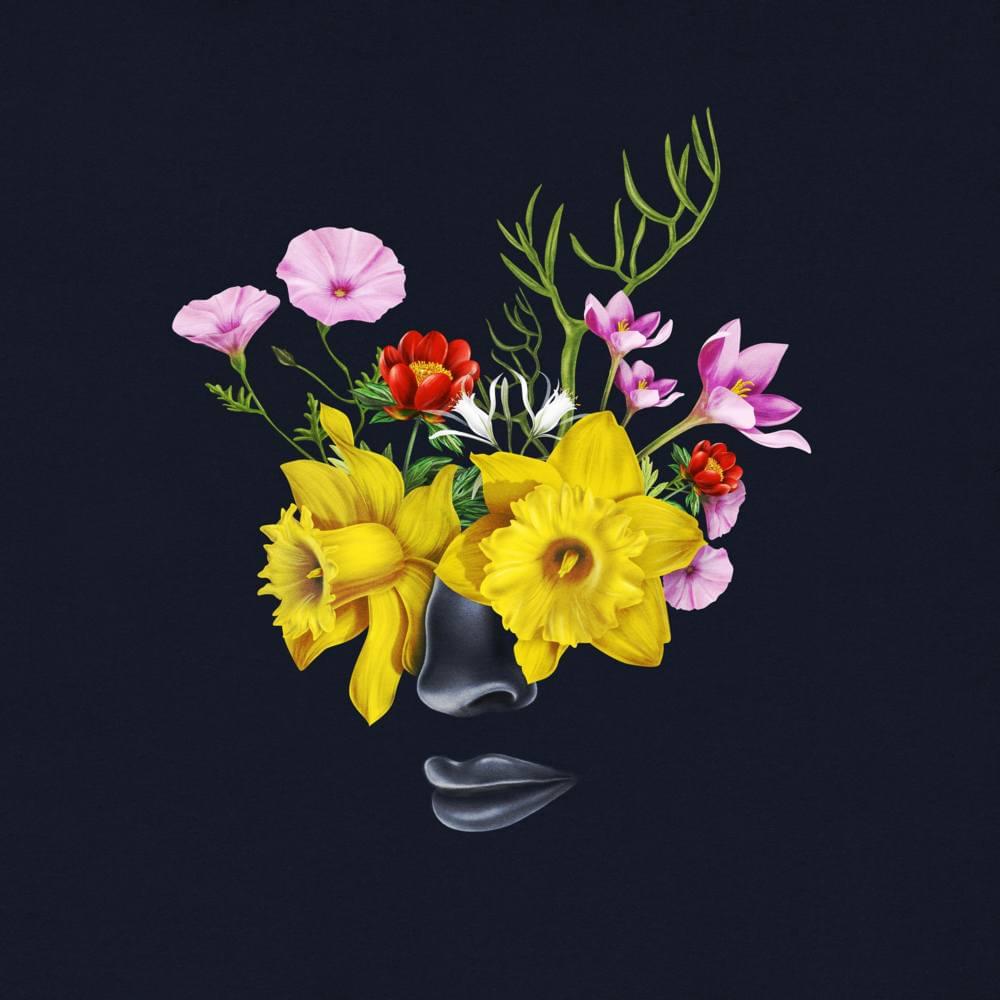
The central tension arises from the narrator's internal state versus external perception and action. "All his teeth grew the wrong way in" and "Won't smile, but he's laughing" point to a profound disconnect, a forced or unnatural outward expression that belies inner turmoil. This is amplified by the imagery of "Daffodils over guns," a preference for beauty and peace amidst conflict, yet the threat of "cut down" looms if his true nature is "found out."
The most striking craft element is the juxtaposition of nurturing and destruction, particularly with the "apple tree." The narrator asks if one would still plant it "If you were to die tomorrow," framing it as an act of faith or legacy against overwhelming odds. The repeated phrase "An extension of yourself" ties this act of planting, and perhaps the entire struggle, to a fundamental part of the narrator's identity, even if that identity is fraught with internal and external conflict.
Ultimately, these lyrics resonate because they capture a feeling of pursuing growth and beauty ("apple tree," "daffodils") even when surrounded by personal catastrophe ("house is on fire") and societal threat ("guns," "fought in the streets"). The writing suggests that the act of planting, of creating something new, is an intrinsic response to life, a defiant extension of self, regardless of the surrounding devastation or the potential for that creation to be destroyed.
 View Artist