Song Meaning
The lyrics paint a stark picture of fortune's fickle nature, beginning with a lament for its wounds. The narrator's eyes well up, weeping because fortune, described as rebellious, withdraws its gifts. This sets a tone of profound loss and betrayal, emphasizing how quickly prosperity can vanish. The text contrasts the fleeting opportunity of fortune, often missed because it's not recognized until it's gone, with its initial generosity.
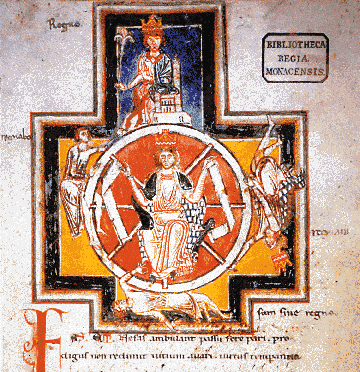
The central tension lies in the dramatic fall from grace. The narrator recounts sitting high on fortune's throne, adorned with the flowers of prosperity, feeling happy and blessed. This peak of success is immediately contrasted with the crushing descent, where the narrator is brought low, stripped of glory. The imagery of being crowned and then falling from the highest point powerfully conveys this drastic shift in circumstances.
The most striking craft element is the personification of Fortuna and the vivid metaphor of the turning wheel. Fortune is depicted as a capricious entity, bestowing and then withdrawing favors. The wheel of fortune, a classic image, is used here to illustrate the cyclical nature of fate, where one person's rise inevitably means another's fall. The chilling mention of Queen Hecuba beneath the axle serves as a grim warning about the ultimate fate of those at the top.
These lyrics hit hard because they tap into a primal fear of losing everything. The direct address and the clear narrative of ascent and ruin make the experience visceral. The final image of Hecuba, a figure associated with immense suffering after Troy's fall, grounds the abstract concept of fortune's cruelty in a specific, tragic historical echo, making the warning feel both ancient and intensely relevant.
 View Artist