Song Meaning
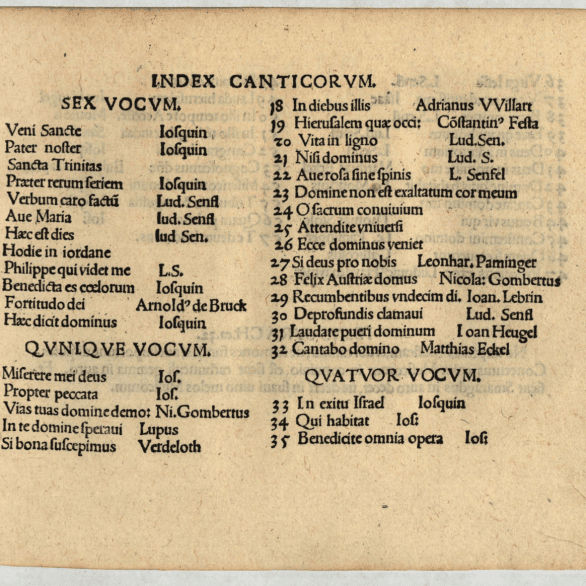
This passage opens with a profound declaration of humility before the divine: "Domine, non est exaltatum cor meum" – "Lord, my heart is not exalted." The narrator immediately follows this by stating their eyes are not lifted up, nor have they walked in things too great or wonderful for them. This establishes a tone of deep self-awareness and submission, suggesting a conscious effort to remain grounded and avoid arrogance.
The core tension lies in the contrast between this outward humility and an inner state that the narrator admits was not always so restrained. The line "Si non humiliter sentiebam, sed exaltavi animam meam" reveals a past or perhaps a lingering tendency toward inner pride, where the soul was lifted up. This admission adds a layer of vulnerability, acknowledging a struggle against self-aggrandizement.
The most striking image comes with the comparison: "sicut ablactatus est super matre sua, ita retributio in anima mea." This means "as the weaned child is on its mother, so is my soul within me." It’s a powerful, almost visceral metaphor for a soul that has been brought back to a state of dependence and nourishment, like an infant weaned from its mother. This signifies a profound, almost primal, return to a state of needing and receiving sustenance, implying a deep spiritual reordering.
The passage concludes with a hopeful affirmation, "Speret Israël in Domino, ex hoc nunc et usque in saeculum," urging trust in the Lord from now on and forever. The effectiveness of these lyrics stems from their direct, unadorned confession and the striking, intimate metaphor used to describe the soul's state. It moves from a statement of current humility to an admission of past struggle, culminating in a powerful image of spiritual dependence and enduring faith.
 View Artist