Song Meaning
Annie Lennox's live rendition of "Who's That Girl?" isn't just a performance; it's a masterclass in controlled emotional detonation. The song, at its core, grapples with the raw sting of infidelity and the disorienting aftermath of romantic betrayal. Lennox doesn't merely present heartbreak; she dissects it with surgical precision, laying bare the vulnerability and simmering rage that coexist within the wounded lover. The contrast she establishes early on, where 'the language of love' is both 'cooler than ice cream' and 'warmer than the sun,' sets the stage for a relationship built on shifting sands, a foundation ultimately unable to withstand the weight of deception. It's this juxtaposition that highlights the central conflict: the promise of unwavering affection versus the cold reality of betrayal.
The repetition of the central question, "Who's that girl running around with you?" transcends simple curiosity. It becomes an obsessive mantra, a desperate plea for clarity amidst the fog of disbelief and hurt. The 'china cups' metaphor for broken hearts is apt, but it's the 'broken on the rocks' imagery that elevates the song's emotional impact. It suggests a shipwreck, a complete and utter devastation of trust and security. The song meticulously charts the psychological unraveling triggered by suspicion and confirmed infidelity. Lennox navigates the listener through the stages of shock, anger, and the dawning realization of the 'foolishness' perpetrated by her lover's duplicity.
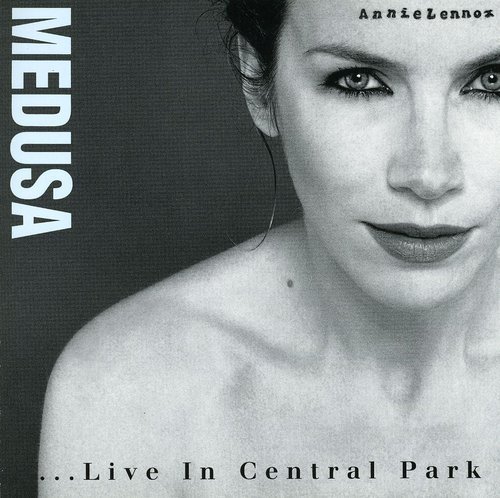
Ultimately, "Who's That Girl?" succeeds because it taps into a universal fear: the fear of being replaced, of being rendered insignificant in the eyes of someone you love. Lennox's performance, especially in a live setting like Central Park, amplifies this vulnerability, turning a deeply personal experience into a shared catharsis. The 'stony gray' and 'tongue tied and twisted' descriptions aren't just lyrical flourishes; they are visceral representations of the emotional paralysis that betrayal can inflict. The song's power resides not just in its catchy hook, but in its unflinching portrayal of the messy, complicated reality of love gone wrong.
 View Artist