Song Meaning
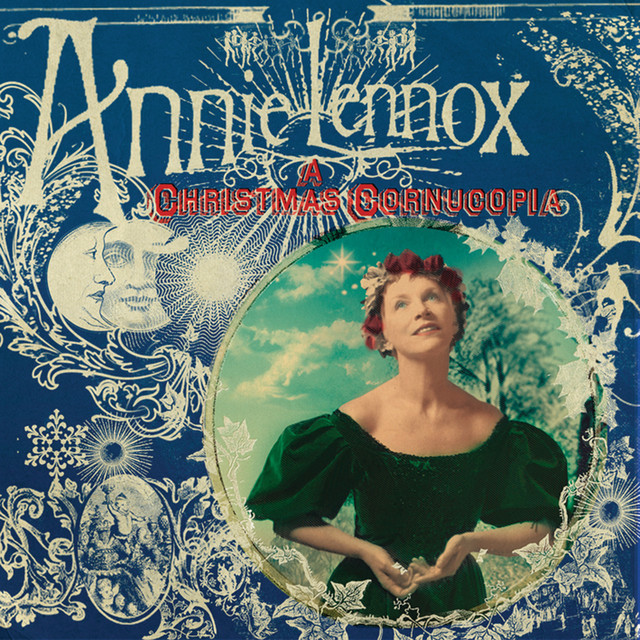
Annie Lennox doesn't simply *sing* "See Amid the Winter's Snow"; she inhabits it. Stripped of modern irony, the carol becomes a raw expression of faith, an almost childlike surrender to the narrative of the Nativity. The song's power isn't in lyrical complexity – the words are straightforward, recounting the birth of Christ – but in Lennox's ability to convey profound emotional vulnerability. The winter setting is not merely seasonal; it's a metaphor for the barrenness of the world before redemption, a world desperately awaiting the promised "tender Lamb." The lyrics analysis reveals a yearning for hope in the face of bleakness, a theme Lennox has explored in more secular contexts throughout her career.
The questions posed to the shepherds – "What your joyful news today? Wherefore have ye left your sheep?" – aren't just narrative devices; they are invitations to the listener to actively participate in the miracle. It's about witnessing the birth of something transformative and being compelled to abandon the mundane in its pursuit. Lennox avoids the saccharine sentimentality often associated with Christmas music, instead finding a stark, almost haunting beauty in the simplicity of the message. This isn't a celebration of consumerism; it's a quiet meditation on sacrifice and divine love.
Ultimately, the song meaning circles back to the concept of radical humility. The "sacred infant, all divine" willingly descends from "highest bliss" to a world of suffering. This act of selflessness, underscored by Lennox's restrained vocal performance, becomes the heart of the carol's enduring appeal. "See Amid the Winter's Snow" isn't just a recounting of a historical event; it's an exploration of the profound psychological impact of faith, the willingness to embrace hope even in the darkest of times. Lennox's rendition transforms a familiar hymn into a deeply personal and moving experience.
 View Artist