Song Meaning
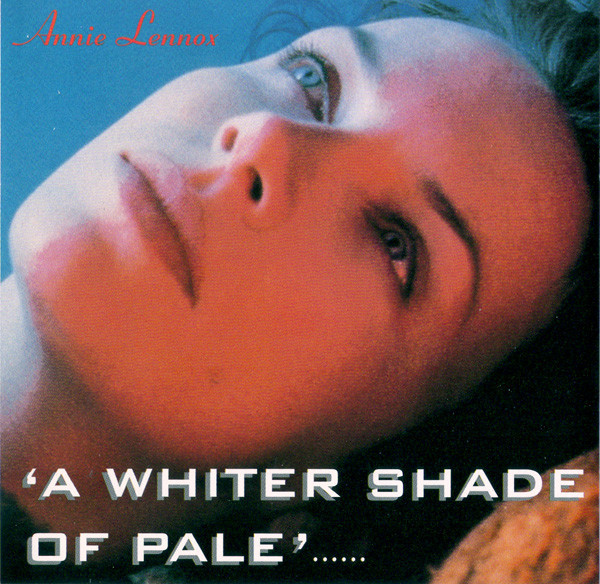
Annie Lennox tackling "A Whiter Shade of Pale" is a brave act. The song, a labyrinth of surreal imagery and emotional ambiguity, doesn’t offer easy answers, and that’s precisely its enduring power. The lyrics paint a picture of a disorienting experience, possibly drug-induced, possibly a descent into madness, or perhaps simply the intoxicating chaos of a passionate encounter gone awry. The opening lines, "We skipped the light Fandango / Turned cartwheels 'cross the floor," suggest a playful, almost childlike abandon that quickly spirals into something more unsettling. The narrator's feeling of seasickness hints at a loss of control, a vulnerability that's amplified by the increasingly surreal atmosphere.
The chorus, with its repeated refrain of "a face at first just ghostly / Turned a whiter shade of pale," is the song's enigmatic core. The transformation of the face could symbolize a fading of innocence, the stark realization of a painful truth, or even the approach of death. The reference to "the Miller" telling his tale adds another layer of complexity, invoking the storytelling tradition and suggesting that this is a narrative being filtered through someone else's perspective, making it even more unreliable. Is the Miller a reliable narrator, or is he adding his own spin to events?
The second verse introduces themes of denial and detachment. The line, "She said 'There is no reason' / 'And the truth is plain to see,'" implies a confrontation with reality that the narrator actively resists. His wandering through playing cards and refusing to let her be one of the sixteen vestal virgins suggests a desperate attempt to cling to fantasy, to rewrite the narrative to suit his desires. The closing line of the verse, "And although my eyes were open / They might just as well've been closed," underscores this willful blindness, highlighting the narrator's inability or unwillingness to face the truth. Ultimately, the song meaning of "A Whiter Shade of Pale," especially when interpreted through Annie Lennox's lens, lies in its exploration of the fragile boundary between reality and illusion, and the human tendency to retreat into fantasy when confronted with the harshness of the world.
 View Artist