Song Meaning
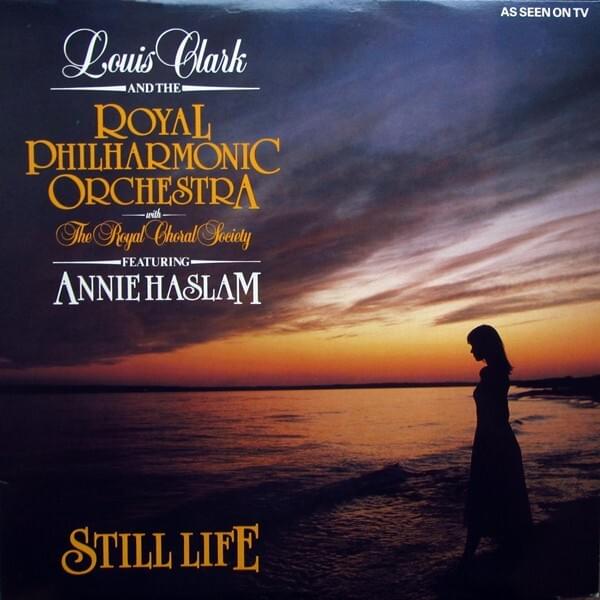
Annie Haslam's "Still Life" isn't a mere painting; it's a psychological portrait rendered in sound. The lyrics capture a profound acceptance of life's inherent contradictions: pain and joy, past and present, dreams and reality. The recurring motif of "still" acts as both an anchor and a gentle nudge forward, acknowledging the moments where we feel frozen, yet reminding us of the persistent current of existence. This song meaning hinges on the idea that even in stillness, life continues to unfold. The "tear cried in your dreams" becomes not an end, but a catalyst for a richer, more nuanced experience. Haslam invites us to find solace in the continuity, the "so many ways" to navigate the complexities of being.
The "water colour days" imagery evokes a sense of faded memories, experiences that have softened and blended over time. But these, too, contribute to the richness of the present. The acknowledgement that "your love is richer for the pain" suggests a mature understanding of love's transformative power. It's not about erasing the hurt, but integrating it into the tapestry of the heart. The song subtly suggests that love, even when dormant ("sleeping in your mind"), holds the potential for renewal, a "way" to emerge again.
Ultimately, "Still Life" functions as an anthem of resilience. It's a reminder that even in the face of heartbreak, loss, or stagnation, the capacity for love and growth remains. The repetition of "Still you live and you may weep and you may love" isn't just a lyrical refrain; it's a mantra, a grounding force that gently guides us back to the present moment. Haslam's song, through its lyrical simplicity, delivers a complex emotional truth: that life, in all its stillness and movement, is a continuous process of feeling, learning, and evolving.
 View Artist