Song Meaning
Annie Haslam's "Reaching Out" isn't just a song; it's a sonic echo of existential displacement, a lament spun from the threads of cosmic loneliness. The lyrics paint a stark picture of a people adrift, severed from their origins and haunted by a half-remembered past. This isn't mere homesickness; it’s a profound yearning for belonging, amplified by the vast indifference of space. The opening lines, "We're lost and alone and we're drifting forever," immediately plunge the listener into a disorienting void, a state of perpetual wandering with no clear destination. The repetition of "forgotten" underscores the crushing weight of their isolation, suggesting a deeper psychological wound – a fear of being erased from memory, both personal and collective.
The concept of being "tenth generation" born on "the wings of creation" hints at a cyclical history, a recurring pattern of departure and longing. This suggests that the current predicament isn't an isolated incident, but rather an inherent part of their existence. The phrase "Our guidance control lies aloof and dismembered" speaks to a breakdown of leadership or perhaps a failure of the systems meant to guide them. They are, in essence, rudderless, forced to rely on fragmented memories and a primal instinct to reconnect with their lost home. This abandonment of control could be interpreted as a metaphor for the human condition itself, our own struggles to navigate a world that often feels chaotic and unpredictable.
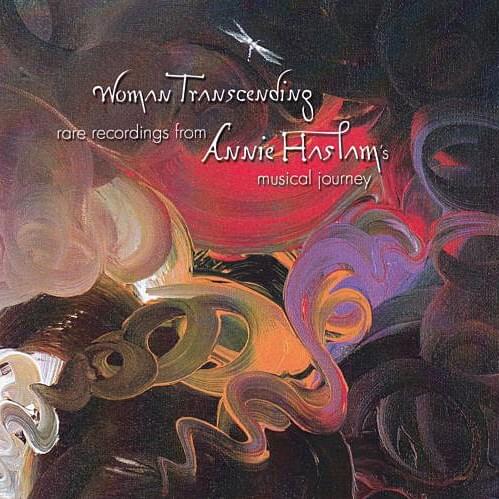
The chorus, with its repeated plea of "We're reaching out," is the heart of the song's emotional core. It's a desperate, almost primal cry for connection, a reaching for something tangible in the face of overwhelming emptiness. The imagery of "mountains and forests bright, shining streams" evokes an Edenic vision, a paradise lost that represents not just a physical place but also a state of harmony and belonging. The longing "for you, for you" is ambiguous, implying a connection to a place, to a lost love, to an ideal, or perhaps even to a forgotten part of themselves. Annie Haslam's ethereal vocals only amplify the feeling of otherworldliness and the deep, pervasive sense of loss at the heart of "Reaching Out."
 View Artist