Song Meaning
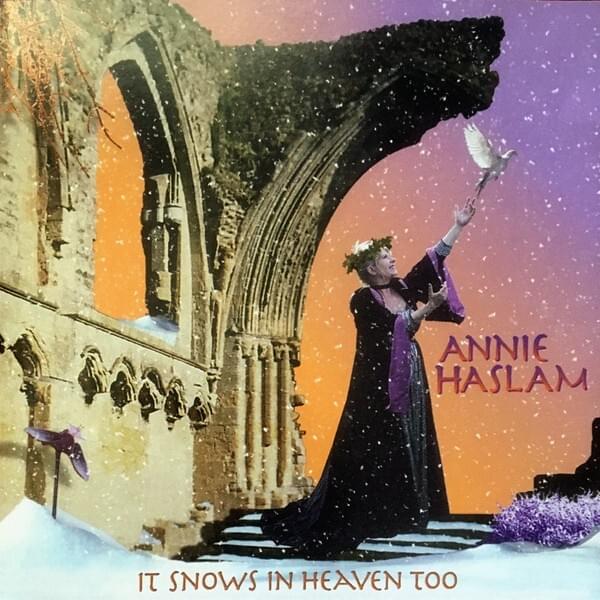
Annie Haslam's rendition of "O Come, O Come, Immanuel" isn't merely a Christmas carol; it's a profound yearning for psychological wholeness, cloaked in ancient Hebrew imagery. The lyrics speak of captivity and exile, not just in a historical sense, but as a metaphor for the fragmented self, adrift in a world of suffering. The repeated plea for Immanuel, meaning "God with us," is a cry for inner integration, a reunion with the divine spark within that promises redemption from existential loneliness. Haslam's ethereal vocal delivery amplifies this sense of longing, transforming a traditional hymn into a deeply personal meditation on hope.
The call for divine wisdom to "order all things, far and nigh" speaks to the human need for cognitive coherence. We crave a framework to understand the chaos of existence, a path of knowledge to navigate the complexities of life. The lyrics touch on fundamental human desires: to understand, to belong, and to find peace. The song acknowledges the inherent human condition of 'mourning in lonely exile,' suggesting that this feeling of separation is a universal experience, one that can only be resolved through spiritual connection and the promised arrival of Immanuel.
Ultimately, "O Come, O Come, Immanuel," as interpreted by Annie Haslam, transcends its religious origins to tap into a deeper, more universal human longing. The "desire of nations" isn't just a political plea for unity, but a psychological imperative for individuals to find harmony within themselves and with each other. The song's enduring power lies in its ability to articulate the hope for inner peace and global reconciliation, a vision of wholeness that resonates deeply with the human psyche.
 View Artist