Song Meaning
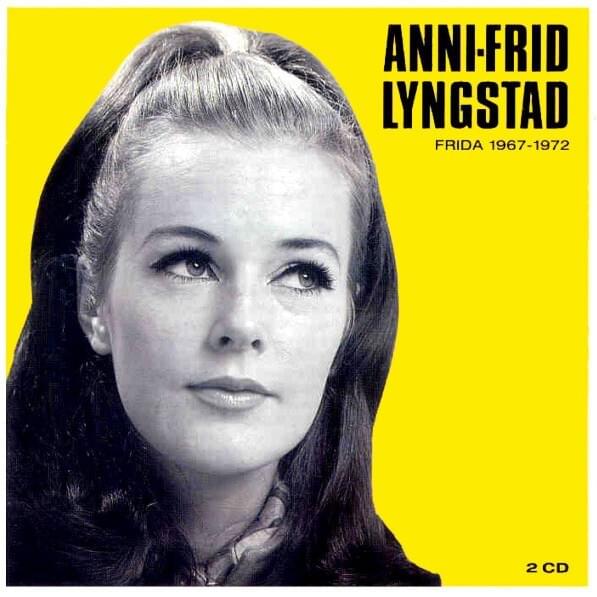
Anni-Frid Lyngstad's "Vi vet allt, men nästan inget" isn't a straightforward pop tune; it's a barbed critique of societal apathy masked as social awareness. The song's title, translating to "We know everything, but almost nothing," immediately sets the stage for an exploration of misplaced priorities and the illusion of knowledge. Lyngstad, better known as Frida from ABBA, steps outside the glitz of disco to deliver a sobering commentary on the disconnect between public discourse and private realities. The lyrics paint a picture of people engrossed in televised tragedies and geopolitical debates, pontificating about world affairs while remaining utterly blind to the struggles of their own children. This isn't just parental negligence; it's a broader indictment of a culture that prioritizes distant suffering over immediate needs.
The recurring refrain, "Och vi vet allt, men nästan inget / Om våra barn" (And we know everything, but almost nothing / About our children), functions as a relentless hammer blow, driving home the central theme. The song subtly suggests that this ignorance isn't accidental; it's a deliberate act of self-preservation. Confronting the problems of one's own children would require genuine engagement and potentially uncomfortable self-reflection. It's easier to debate the Vietnam War or the conditions in Harlem than to grapple with the complexities of raising a child in a rapidly changing world.
Furthermore, the song implicates societal structures in this collective failure. The references to "sociala papperskvarn" (social paper mills) hint at a bureaucratic system that is more concerned with appearances than with genuine solutions. The casual dismissal of the "different" neighbor underscores the tendency to judge and exclude rather than understand and support. The growing prevalence of drugs is acknowledged, but only as a distant problem, something "we do not see." Ultimately, "Vi vet allt, men nästan inget" is a chilling portrait of a society more interested in maintaining the illusion of control than in confronting the uncomfortable truths of its own making. It's a call for genuine empathy and a reminder that true understanding begins at home.