Song Meaning
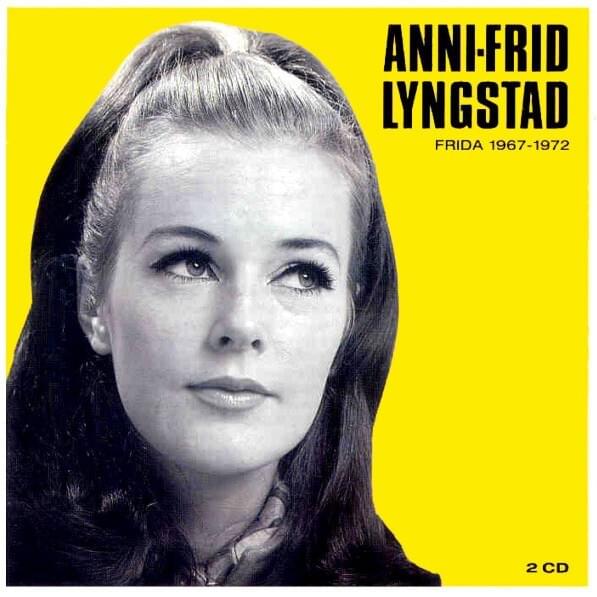
Anni-Frid Lyngstad, though best known as Frida from ABBA, charts a course through the treacherous waters of memory and lost love in "Vi möts igen." The song, sung in Swedish, isn't a simple nostalgia trip; it's a stark confrontation with the idealized past and the disorienting power of a rekindled flame. The opening lines establish the central theme: the indelible mark of first love, a primal attachment that purportedly never truly fades. This isn't just a romantic notion but a psychological truism – early attachments often form the blueprint for future relationships, casting a long shadow over our emotional landscape. The lyrics suggest a reunion, a chance encounter that reignites dormant feelings, as she sings about recognizing a shared sentiment in the other person's eyes.
"Vi möts igen" (We Meet Again) is both a hopeful refrain and a plaintive question. The singer yearns for a return to the idyllic past, a world that felt "so bright and beautiful, so wonderful." Yet, this desire is tempered by the lingering question: "But tell me, why did we two part?" This isn't blind optimism; it's a complex emotional negotiation. The intervening years have seemingly faded into insignificance, dismissed as mere "pastime." Only the love for this person feels authentic, a stark contrast to the perceived emptiness of everything that followed. This speaks to a common human tendency to selectively remember the past, often glossing over the complexities and challenges in favor of a more romanticized narrative.
The song's core meaning resides in the tension between idealized memory and the unresolved question of separation. It's not just about the joy of reconnection; it's about the haunting question of what could have been. The repetition of "Vi möts igen" emphasizes both the hope for a renewed connection and the cyclical nature of memory, the way the past can resurface and disrupt the present. The lyrics don't offer easy answers or a guaranteed happy ending. Instead, they present a raw and honest exploration of love's enduring power and the persistent questions that linger long after a relationship ends. It's a song about the ghost of love, forever present and potentially disruptive.
 View Artist