Song Meaning
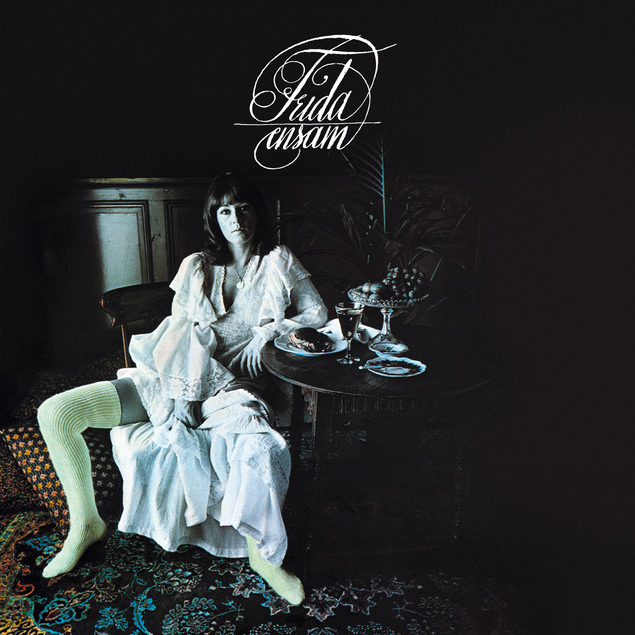
Before ABBA conquered the world, Anni-Frid Lyngstad, known mononymously as Frida, navigated a solo career, showcasing a distinct artistic sensibility. "Syrtaki," though scant on verifiable background, resonates as a yearning for liberation, a fleeting escape carved out within the quiet desperation of the night. The recurring "La la la" acts as both a hypnotic invocation and a melancholic sigh, framing a desire that's difficult to articulate directly. The lyrics paint a vivid, almost dreamlike landscape: a river journey, the taste of almond blossoms and earth, a poppy-sweet kiss. These sensory details suggest a longing for a connection to nature, a return to something primal and untainted by the modern world.
The pull between freedom and constraint is central to the song's meaning. Frida sings of being made "free for a little while," implying that this liberation is temporary, a stolen moment rather than a permanent state. The imagery shifts from the sweetness of nature to a heavier, more somber tone as the night progresses. The moon hangs distant, the night grows heavy, and the mist rises, obscuring the sky. There's a sense of impending darkness, a fear that the moment of freedom will be extinguished.
This fear culminates in the plea to be offered sweet wine and the sky above, to shatter the window before the last star dies. This isn't a passive acceptance of fate, but a desperate act of defiance. The breaking of the glass is a symbolic gesture, a violent rejection of the constraints that threaten to engulf the singer. "Syrtaki" then, becomes a powerful expression of the human need for freedom, even when that freedom is fleeting and threatened by the encroaching darkness. It's a testament to the enduring power of hope in the face of despair, rendered with a delicate yet visceral emotionality.
 View Artist