Song Meaning
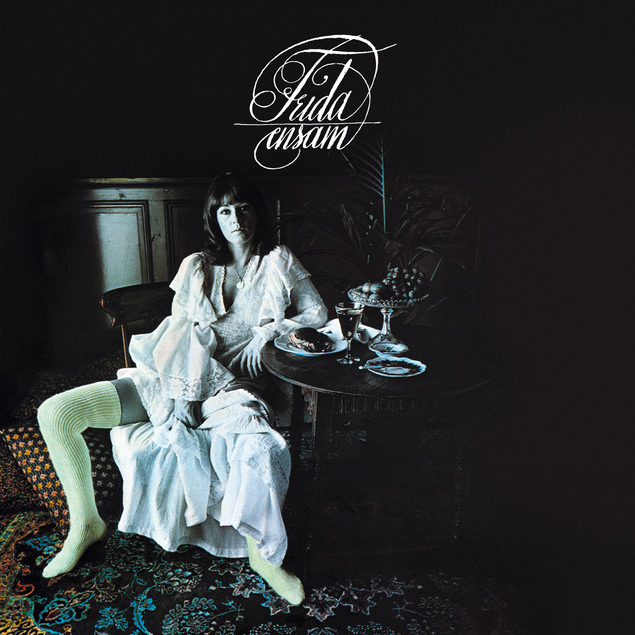
Anni-Frid Lyngstad, better known as Frida from ABBA, delivers a quietly devastating performance in "Som en sparv." The song, a delicate exploration of love, sacrifice, and the bittersweet pangs of letting go, unfolds like a miniature emotional drama. The central metaphor – a sparrow held in the singer's hands – immediately establishes a relationship of protectiveness and vulnerability. Initially, the sparrow (representing a loved one) is fearful and seeks refuge. The singer provides warmth and shelter, nurturing the fragile creature back to strength.
The initial verses paint a picture of reciprocal care, where both parties benefit from the connection. However, the bridge shifts the dynamic. The singer acknowledges her strength during a difficult period, acting as both "äng" (angel) and "mark" (ground) for the sparrow's growth. This imagery is powerful, suggesting a selfless dedication to the other's well-being. The sparrow flourishes and eventually gains the freedom to fly away.
But here's where the emotional gut-punch lands. The sparrow's freedom, while celebrated, comes at a cost. The singer reveals that her protective embrace, initially intended as a haven, inadvertently became a cage. The crucial question, "Blev du fri?" (Did you become free?), hangs heavy in the air, unanswered. The stark admission, "Det blev inte jag" (I did not become free), exposes the singer's own entrapment within the memory of that beautiful, fleeting moment. Ultimately, "Som en sparv" isn't just about setting someone free; it's about the lingering ache of self-sacrifice and the realization that sometimes, love means letting go, even when it hurts like hell.
 View Artist