Song Meaning
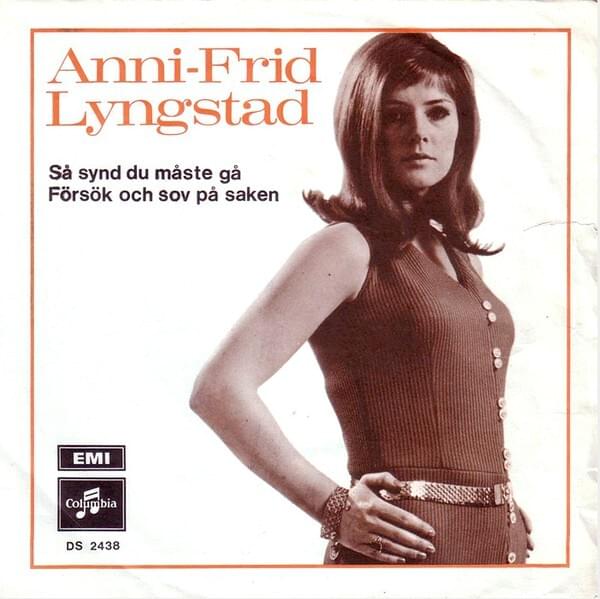
Anni-Frid Lyngstad, known to many as Frida from ABBA, often imbued her solo work with a poignant emotional undercurrent, and "Så synd du måste gå" is no exception. The Swedish title translates to "It's a pity you have to go," and the lyrics explore the bittersweet agony of parting. It's not just about the sadness of separation, but also the implicit acknowledgement of its inevitability. The core of the song meaning revolves around this conflict: the desire to hold on juxtaposed against the acceptance of departure. The repeated line, "Så synd du måste gå," acts as both a lament and a resigned sigh, illustrating the push and pull of emotions inherent in saying goodbye. Is it a romantic farewell? A platonic parting of ways? The lyrics keep the context vague, making the sense of loss universally relatable. The "you" could be anyone: a lover, a friend, a family member, or even a phase of life.
Nature imagery subtly reinforces the song's theme. The fleeting "sommarnatten" (summer night) whose "sista skuggan" (last shadow) is already fading mirrors the ephemeral nature of connection. The line "Redan färgas sommarvinden blå" (already the summer wind turns blue) hints at a cooling, a transition from warmth to something colder, suggesting a shift in the relationship or circumstance. This use of seasonal change is a classic poetic device, emphasizing the transient nature of time and relationships. The bridge, "Se solen igen / Och jag änskar att vi fick gå / I solen min vän / Hela livet vi två" (See the sun again / And I wish we could walk / In the sun my friend / Our whole lives, we two), offers a glimpse of a utopian desire, a yearning for an idealized, unending companionship that reality simply can't sustain.
Ultimately, "Så synd du måste gå" resonates because it captures the universal human experience of loss with disarming simplicity. Lyngstad avoids melodramatic theatrics, instead opting for a restrained, almost melancholic delivery that amplifies the song's emotional core. The repetition of the title phrase drills home the central theme: the simple, yet profound, regret that accompanies any farewell. The song isn't necessarily about the reason for the parting, but rather the feeling of sadness that lingers in its wake. It's a quiet meditation on impermanence, delivered with a subtle grace that's characteristic of Lyngstad's artistry.
 View Artist