Song Meaning
This song captures the raw, hopeful uncertainty of waiting for a significant love. The narrator's questions aren't about *if* love will come, but about recognizing it when it arrives. It's a plea for guidance, a quiet desperation woven into simple, evocative imagery. The repeated refrain, "How will I know my love?", acts as a mantra, a constant echo of this central yearning. It’s a feeling many have experienced: the anticipation of a future connection and the anxiety of not knowing how to identify it.
The lyrics enlist nature and the cosmos as silent witnesses and potential informants. The whippoorwill and mockingbird are called upon to provide a sign, while Mr. Moon is directly addressed, highlighting a desire for external validation or confirmation. This personification of the natural world underscores the narrator's isolation in their quest and their deep need for any clue. The questions about seasons – autumn, spring, summer – suggest a passage of time and a hope that love will arrive with the changing world, bringing with it tangible signs like a hand to hold or a "clover ring."
The most striking aspect is the direct, almost childlike simplicity of the pleas. There's no complex metaphor or elaborate narrative, just a series of earnest questions directed outward. The repetition of "How will I know my darlin'?" and the repeated address to "Mr. Moon" creates a sense of gentle obsession, a loop of longing. The imagery is grounded yet ethereal: a lover walking through "pinewood," a hand taken in "summer," a "clover ring" – these are small, intimate moments the narrator hopes to recognize.
Ultimately, the song resonates because it articulates a universal human experience: the vulnerability of opening oneself to love and the quiet fear of missing it. The craft lies in its unadorned sincerity. By stripping away complexity, the lyrics amplify the raw emotion of anticipation, making the listener feel the weight of each unanswered question and the quiet hope that love, when it comes, will be unmistakable.
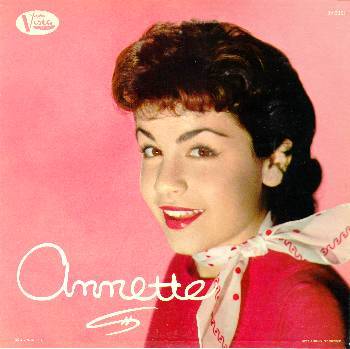
 View Artist