Song Meaning
The lyrics paint a vivid picture of a pre-digital childhood, contrasting the slow pace of the past with the overwhelming speed of the present. The narrator recalls a time before the internet, where even simple actions like watching TV required asking permission, and communication was limited to a corded phone. This deliberate pacing is highlighted by the mention of a yellow post and the absence of modern delivery services like DHL, emphasizing a world that operated on a fundamentally different, slower clock.
The central tension emerges from the stark contrast between the past and the present, particularly concerning media consumption and information flow. The repeated refrain, "Als ich ein Kind war, gab es kein Insta / Dafür jeden Tag ab drei RTL2," encapsulates this shift. While the absence of Instagram signifies a lack of constant, curated social media, the presence of a daily, fixed television schedule like RTL2 suggests a more structured, perhaps less overwhelming, form of entertainment. This is further amplified in the outro, where "Nachrichten" (news) are likened to "Pferderenn'n" (horse races), implying a frantic, overwhelming current information landscape.
The most striking craft element is the direct, almost childlike enumeration of absent modern conveniences juxtaposed with specific, nostalgic cultural touchstones. The mention of Linda de Mol, a prominent German TV personality, and ICQ, an early instant messaging service, grounds the nostalgia in concrete details. The line "Früher waren die Wiesen grün und die Bull'n auch" (The meadows were green and the cops too) is particularly intriguing, hinting at a perceived innocence or perhaps a less scrutinized environment in the past, though the exact meaning of "die Bull'n auch" remains open to interpretation within the lyrical context.
This lyrical approach is effective because it grounds abstract feelings of nostalgia in tangible, relatable (for a specific generation) details. By focusing on the absence of things like Instagram and the presence of specific TV channels and older technologies, the lyrics create a palpable sense of a bygone era. The contrast between the slow, deliberate world of childhood and the frenetic pace of modern news delivery, as suggested by the outro, resonates deeply, making the listener reflect on their own relationship with technology and information.
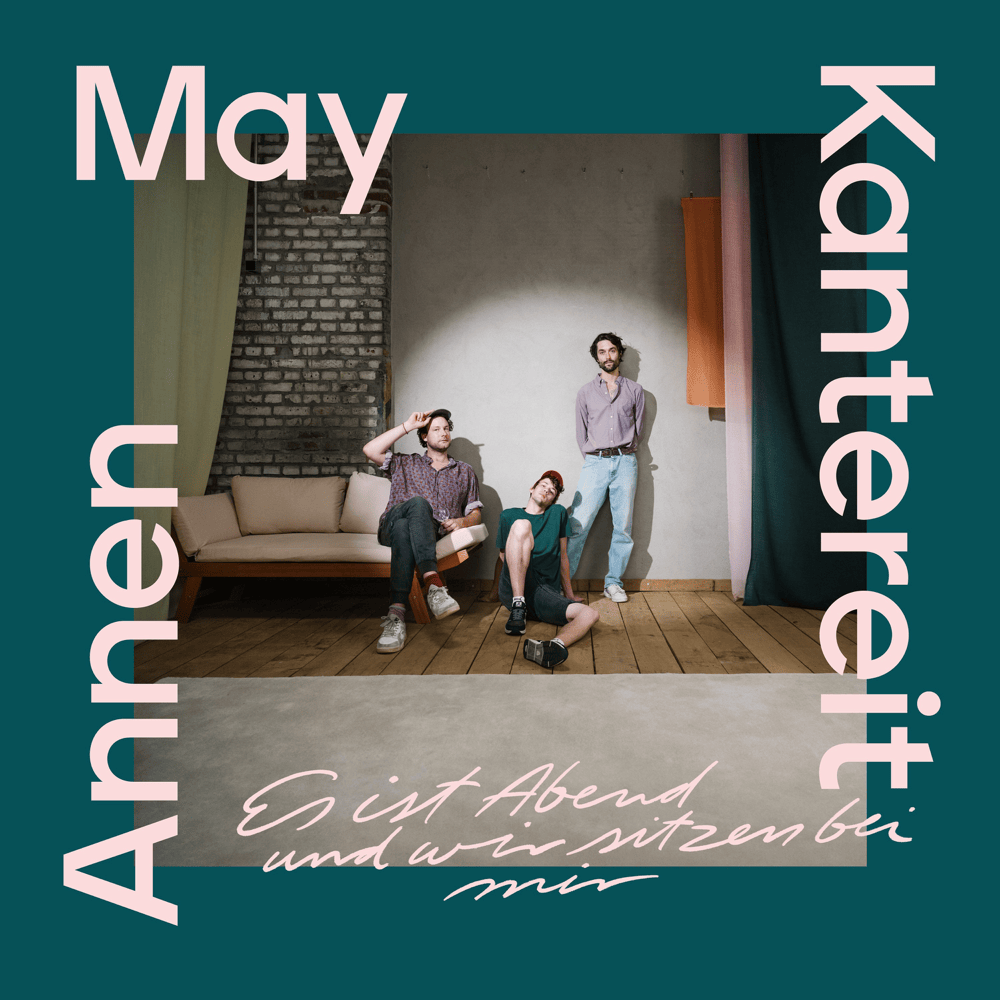
 View Artist