Song Meaning
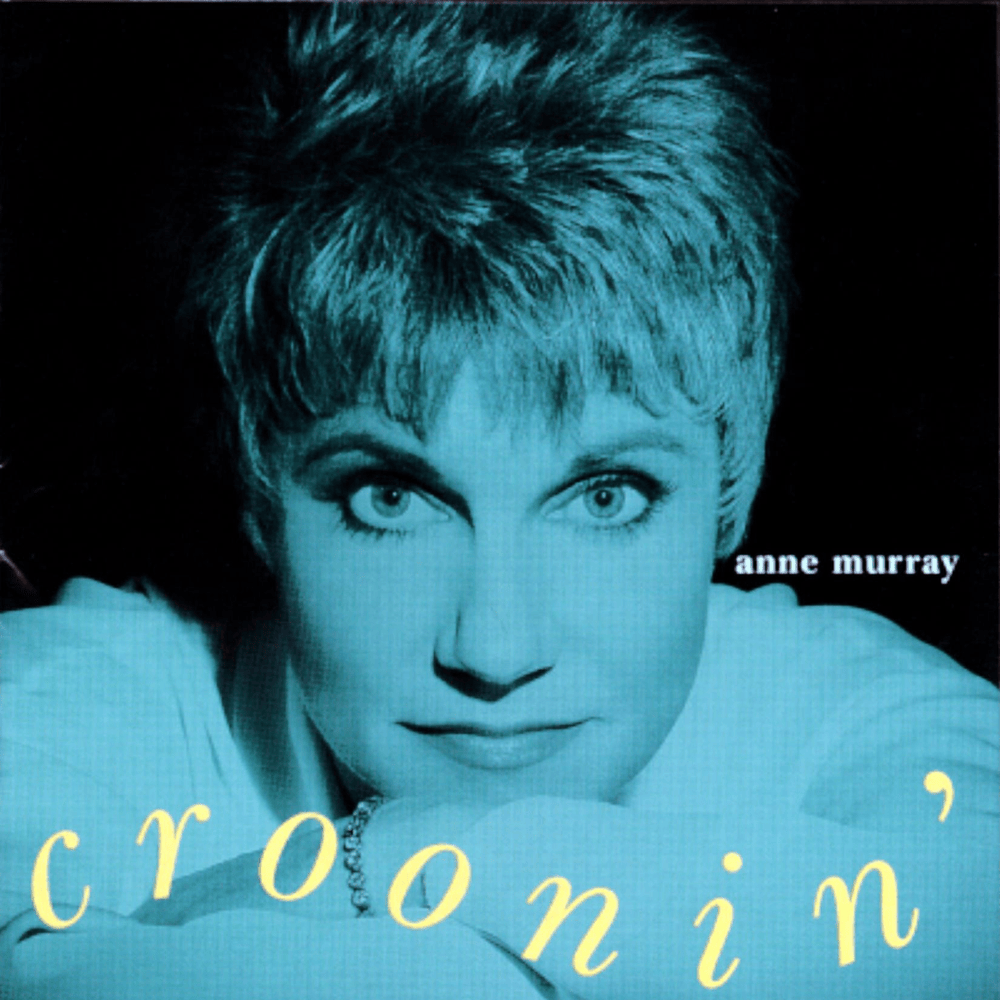
{"song_id": 10448071, "meaning": "Anne Murray's \"Old Cape Cod\" isn't just a song; it's a meticulously crafted postcard from a place that exists as much in memory as it does on a map. The lyrics, deceptively simple, work like a series of sense memories designed to trigger a potent nostalgia. It's a sonic tourism ad, yes, but one that taps into something deeper: the yearning for a simpler, more rooted existence. The genius lies not in lyrical complexity, but in Murray's ability to evoke a specific, almost universally accessible form of homesickness. It doesn't matter if you've *actually* been to Cape Cod; the song makes you feel like you're missing it anyway.
The song's effectiveness comes from its almost relentless appeal to the senses: the taste of lobster stew, the sight of sand dunes, the sound of church bells. This sensory overload isn't accidental. It's a deliberate strategy to bypass the listener's critical faculties and tap directly into the emotional centers of the brain. The mention of \"the town where you were born\" is a particularly sharp hook, associating Cape Cod not just with a pleasant vacation, but with the foundational sense of belonging that shapes our identities. The repeated assertion that \"you're sure to fall in love\" isn't a prediction; it's a subtle form of emotional coercion.
Ultimately, \"Old Cape Cod\" functions as a kind of sonic comfort food. It offers a temporary escape from the complexities and anxieties of modern life, promising solace in a romanticized vision of small-town America. The lyrics analysis reveals a powerful longing for connection, community, and a sense of place – desires that resonate deeply, regardless of one's familiarity with the actual geography of Cape Cod. Anne Murray understands that the most potent form of travel isn't about reaching a destination, but about returning to a feeling."}
 View Artist