Song Meaning
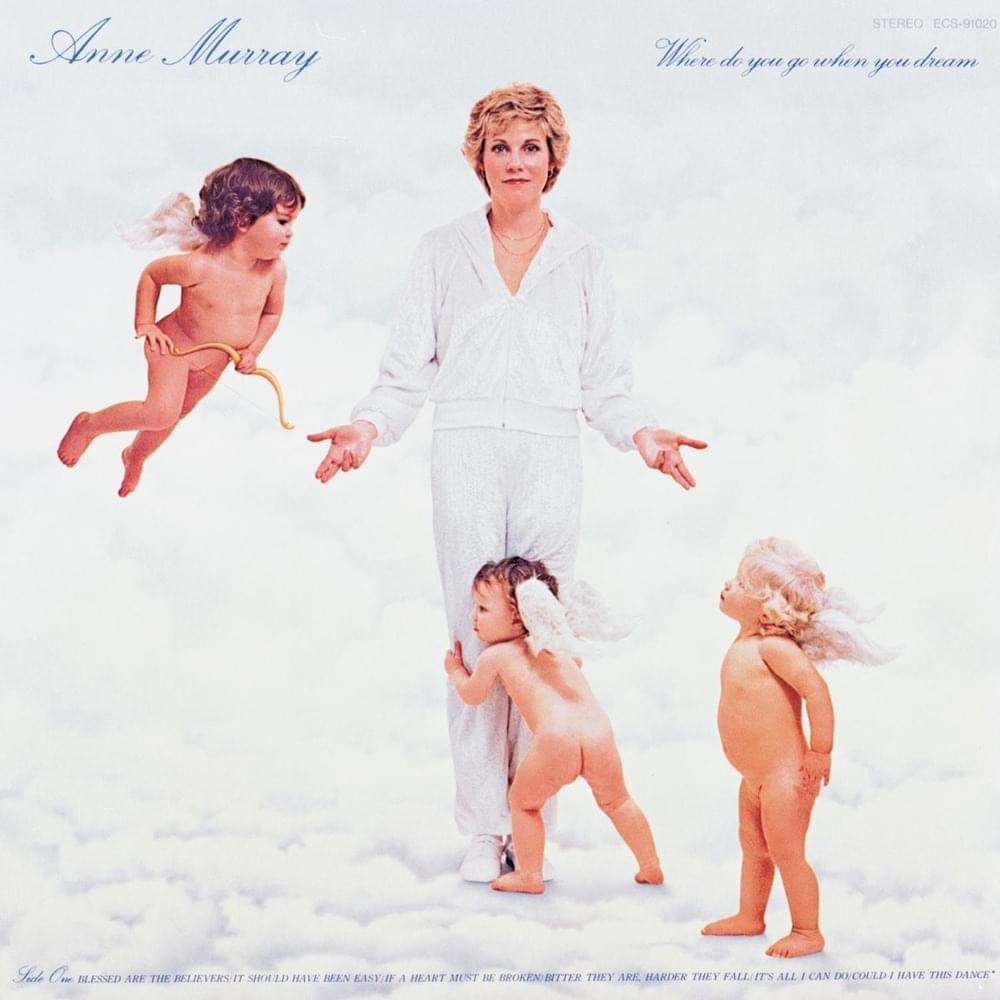
Anne Murray's "It's All I Can Do" isn't just a breakup song; it's a masterclass in repressed emotion, a study in the tightrope walk of maintaining composure when every fiber of your being screams otherwise. The song's power lies in its quiet desperation, the barely-contained anguish simmering beneath a veneer of polite conversation. Murray isn't belting out histrionic cries; she's offering a glimpse into the internal battlefield waged when forced to confront a past love. The opening lines, seemingly innocuous pleasantries about time and well-being, immediately betray the facade. "You'd think by now those old feelings had died / But it only takes just one look in your eyes," she sings, cutting to the heart of the matter with brutal honesty. The past, it seems, is not only present but potent, ignited with a single glance.
The genius of the song meaning lies in its depiction of the small, almost mundane, acts of self-preservation. The chorus, a litany of forced normalcy, reveals the Herculean effort required to simply function. Talking about the weather becomes a desperate act, a shield against the emotional onslaught. Smiling and feigning contentment morph into acts of self-betrayal, masking the inner turmoil. This isn't about grand gestures or dramatic pronouncements; it's about the quiet, agonizing work of holding oneself together when everything is falling apart. The repetition of "It's all I can do" underscores the limited resources available to the speaker, the sense that she's operating at the very edge of her emotional capacity.
The second verse amplifies the torment by focusing on physical reminders of the lost relationship. The "lips I used to kiss" and "arms that once held me so tight" are not merely memories; they are tangible reminders of what has been lost, triggering a cascade of emotions that threaten to overwhelm. The singer's vulnerability is palpable as she acknowledges the fragility of her composure. The phrase "I get to thinkin' I'm doin' alright" is particularly poignant, highlighting the deceptive nature of healing and the ease with which old wounds can be reopened. Anne Murray's delivery, coupled with the song's understated arrangement, creates an atmosphere of intense intimacy, inviting the listener to share in the quiet agony of a love that refuses to fade.
 View Artist