Song Meaning
Anne Murray's "It Should Have Been Easy" isn't just a lament; it's a study in the stubborn refusal of the human heart to obey logic. The song's core lies in that agonizing gap between expectation and reality when a relationship ends. The singer, presumably, believes the breakup *should* have been straightforward, perhaps even desired. Yet, the simple act of moving on proves to be a monumental struggle. That face in the coffee cup each morning isn't just a sentimental image; it's a daily confrontation with the persistence of memory, an unwelcome reminder that the past isn't easily erased. The 'easy' part becomes a taunt, a cruel joke played by the mind on the heart. The lyrics speak to the universally relatable experience of being haunted by a presence that should logically be absent.
Murray's delivery amplifies the song's central tension. The repeated line, "It should have been easy," transforms into a mantra of frustration. It's not just sadness; it's the maddening realization that the healing process isn't linear or predictable. The casual encounters with friends, who offer the rote reassurance that "I'll get over you," only serve to highlight the singer's isolation in her experience. Their well-meaning platitudes are empty echoes, failing to penetrate the deeply personal struggle of severing emotional ties. The song hints that intellectually, the singer understands that time will eventually heal the wound, but the *feeling* lags stubbornly behind.
The genius of "It Should Have Been Easy" is in its simplicity. There are no grand pronouncements or dramatic declarations, just a quiet, persistent ache. It acknowledges the often-unspoken truth that some emotional wounds defy easy solutions. The song's analysis reveals a raw vulnerability, a refusal to pretend that moving on is always a graceful or swift process. It's a testament to the enduring power of connection and the frustratingly complex nature of the human heart, which often clings to the past long after the mind has moved on. The song's meaning resonates because it captures the universal experience of longing, even when logic dictates otherwise.
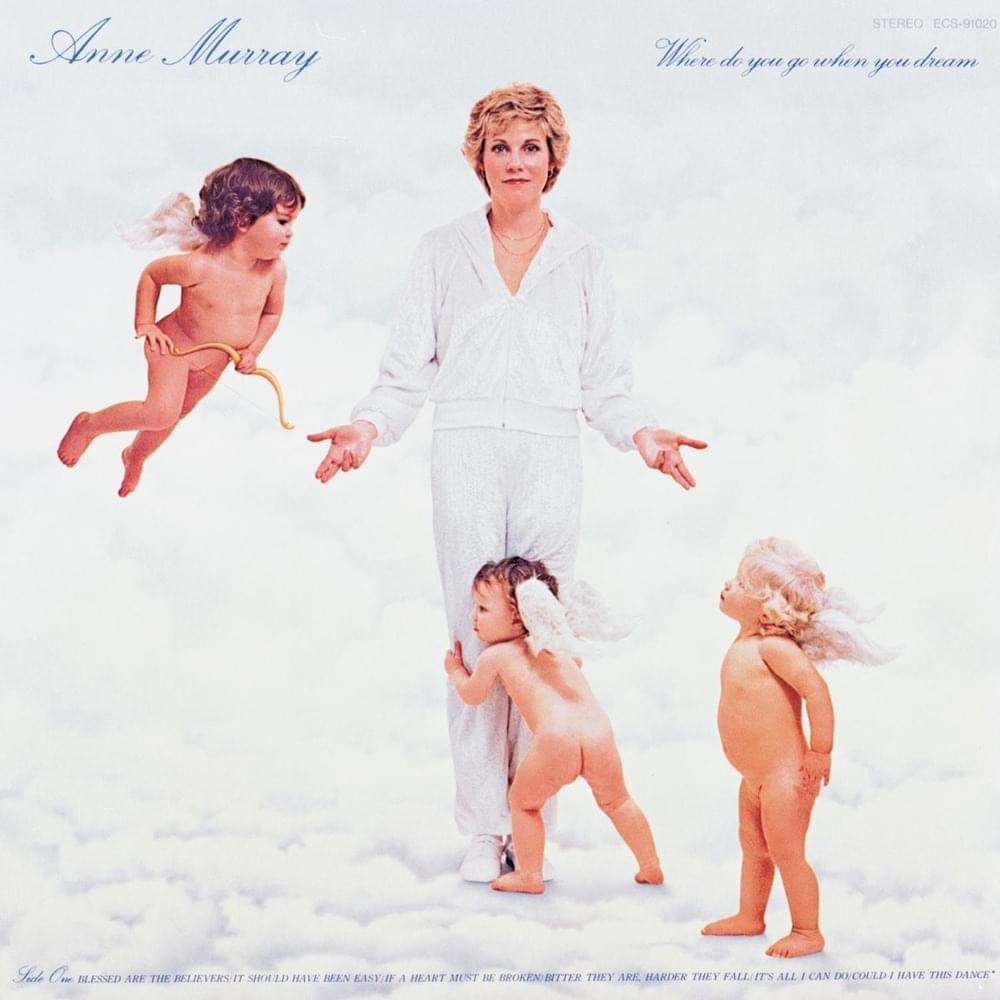
 View Artist