Song Meaning
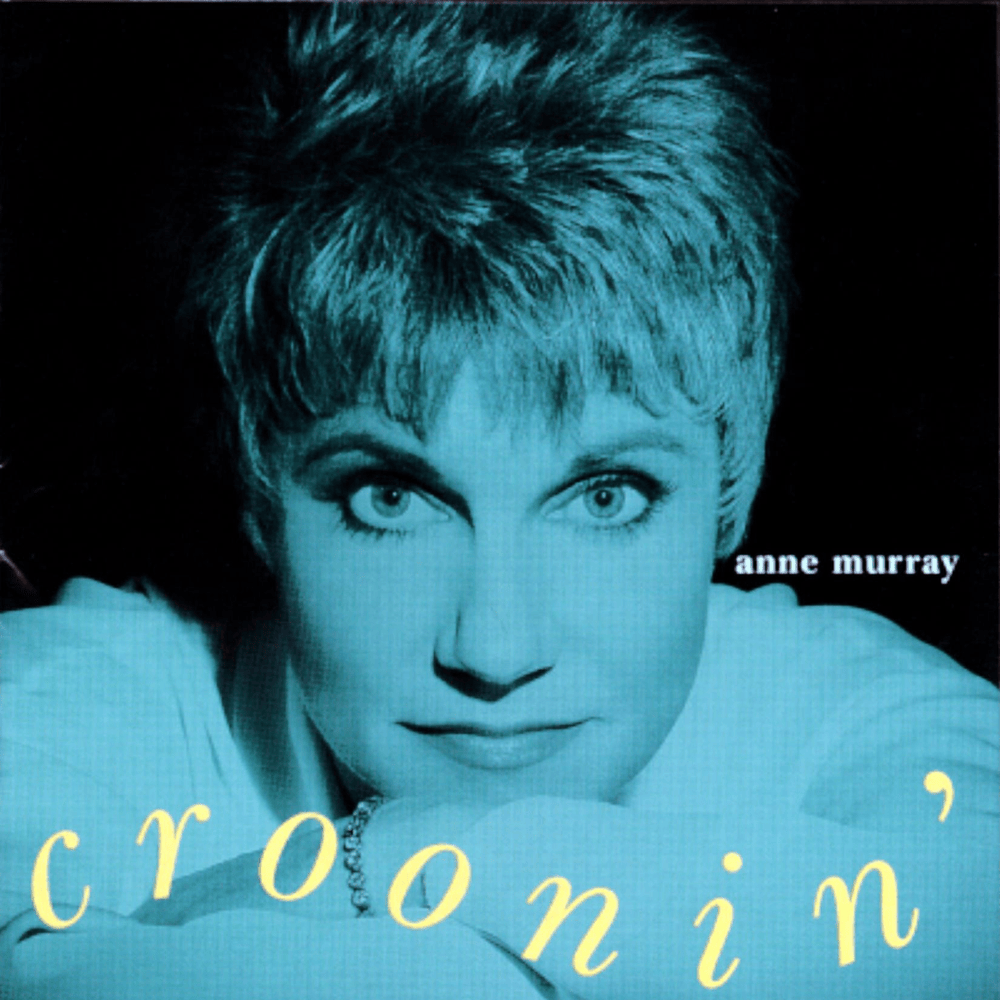
Anne Murray's "Hey There" isn't just a song; it's an intervention. The track dives headfirst into the agonizing space between tough love and helpless observation, dissecting the psychology of infatuation with surgical precision. Murray's introspective opening – "Lately when I'm in my room, all by myself, in the solitary gloom, I call to myself" – immediately frames the song as an internal dialogue, a conversation with a fractured self. The 'you' she addresses isn't just some abstract lovesick fool; it's a vulnerable, idealized version of herself, one still clinging to naive hope. The core tension arises from witnessing this 'you' – "with the stars in your eyes" and "on that high flying cloud" – chasing after someone emotionally unavailable, a figure who "won't throw a crumb" of affection. Murray isn't merely scolding; she's grappling with the frustrating reality of watching someone she cares about willingly diminish themselves for a phantom of love.
The genius of "Hey There" lies in its refusal to offer easy answers. The repeated questioning – "Are you not seeing things too clear? Are you too much in love to hear?" – highlights the maddening paradox of unrequited affection. The speaker's frustration isn't directed at the object of affection, but rather at the self-deception the 'you' is indulging in. Murray masterfully captures the feeling of being trapped in a one-sided conversation, where advice, however well-intentioned, simply bounces off the listener's love-blinded ears. The maternal metaphor – "take this advice I hand you like a mother" – adds another layer of complexity, suggesting a deep-seated protectiveness tinged with the weariness of experience.
Ultimately, the song's power rests in its unresolved nature. There's no triumphant resolution, no sudden epiphany. The saxophone solo serves as a poignant interlude, a wordless expression of the pain and helplessness that accompany watching someone you care about navigate the treacherous waters of the heart. The repeated questions at the song's close emphasize the cyclical nature of unhealthy relationships and the frustratingly slow process of self-discovery. “Hey There” doesn’t offer a cure for heartache; it offers a stark, unflinching portrait of its agonizing grip.
 View Artist