Song Meaning
Anne Murray's "Heaven Is Here" isn't chasing celestial fantasies; it's about finding paradise in the tangible, the immediate. It’s a study in the psychology of romantic fulfillment, focusing on the intimate moments that construct a lasting emotional architecture. The song delicately paints a picture of burgeoning love, not with grand gestures, but with subtle, sensory details: a kiss goodnight, a hushed whisper, the comfortable oblivion to the passing of time. These aren't fleeting instances of infatuation; they're the foundational elements upon which enduring affection is built. Murray suggests that 'heaven' isn’t some abstract ideal, but a present reality accessible through vulnerability and connection.
The lyrics analysis reveals a deliberate emphasis on shared experience. The phrase "can't you see?" in the chorus acts as an invitation, urging the listener to recognize the sacredness within the mundane. It’s a gentle nudge toward mindfulness, suggesting that the most profound joys are often found in the simplest interactions. The anticipation of 'tomorrow being so far away' is telling; it’s a desire to freeze time, to luxuriate in the euphoria of the present moment. This speaks to a deep-seated human yearning for permanence, for the reassurance that these feelings will endure.
But Murray doesn't shy away from the inherent anxieties of new love. The 'courage to tell him' hints at a previous state of emotional constraint, a barrier finally broken. The whistling 'some strange melody you never knew' encapsulates the transformative power of love. It's an external manifestation of inner joy, an involuntary expression of newfound freedom. The fact that it 'won't leave your head' underscores the lasting impact of these experiences. "Heaven Is Here" reminds us that the path to lasting love is paved with small acts of bravery and the willingness to embrace the present moment, finding heaven in the here and now.
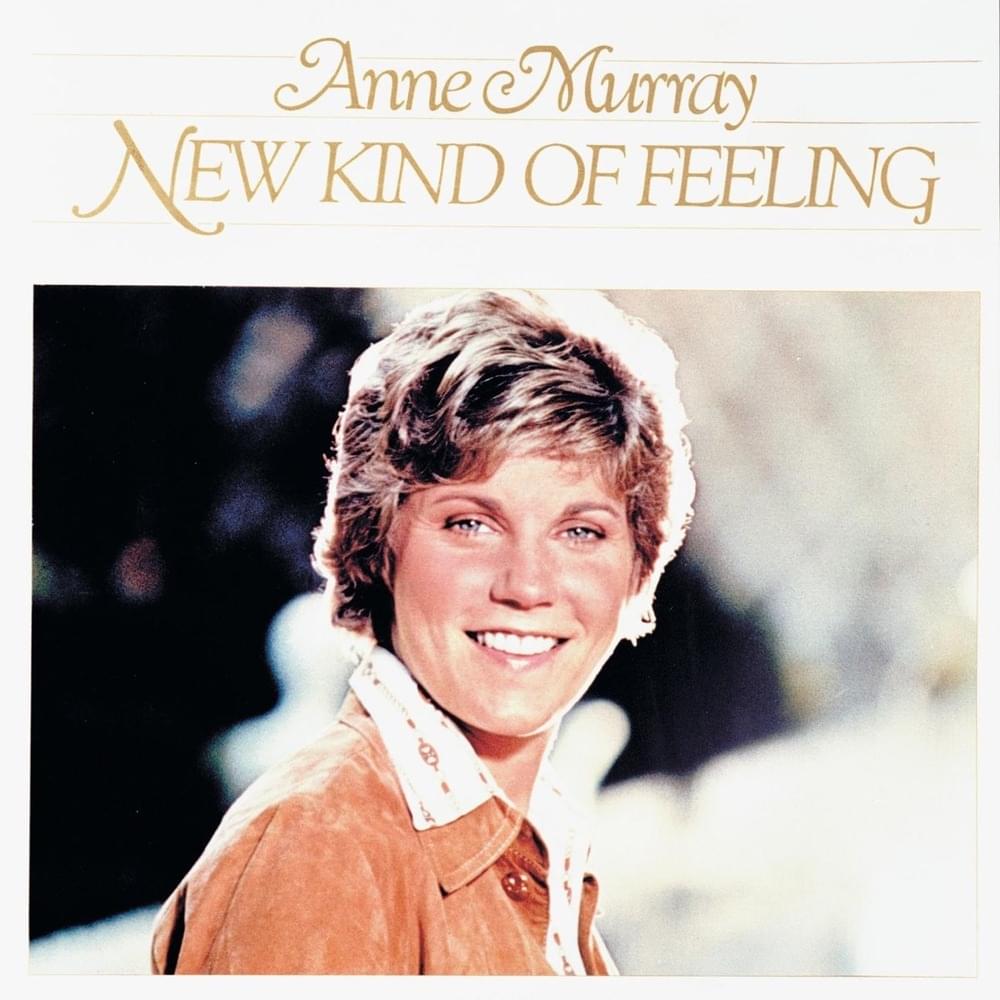
 View Artist