Song Meaning
The lyrics paint a picture of a quiet, intimate moment unfolding by the Moskva River as night descends. The narrator is pleading with a loved one to stay, to linger in this peaceful interlude until dawn. There's a palpable sense of wanting to suspend time, to remain in a state of dreamlike tranquility rather than face the return of day. The imagery of the river flowing like a "silver ribbon" and the "trees' song" suggests a natural, almost mystical setting that amplifies the emotional connection being shared.
The core tension lies in the narrator's desire to prolong this specific night indefinitely. This isn't just about enjoying a moment; it's about actively wishing for the dawn *not* to come. The line "Önskar du som jag / När stunden snart är här / Att ej dagen skall gry igen" reveals a deep-seated yearning to escape the inevitable progression of time, to hold onto the present feeling. The narrator appears to be seeking solace and perhaps a refuge from something that the daylight represents.
What's particularly striking is the contrast between the serene natural imagery and the intense emotional plea. The "trees' song" is presented as conveying more than words, hinting at a profound, unspoken connection. Yet, this deep feeling is juxtaposed with the stark wish to prevent the morning from arriving. The brief, almost out-of-place parenthetical interjection, "(Oh, dansa samba med mig) / (Ryska)" adds a curious layer, perhaps a fleeting, playful thought or a reminder of the external world that the narrator is trying to hold at bay.
Ultimately, the effectiveness of these lyrics stems from their ability to evoke a specific, melancholic mood through simple, evocative language. The repetition of the plea to stay and the wish for the night to continue creates a hypnotic effect, drawing the listener into the narrator's desire to freeze a perfect, albeit temporary, moment. It captures that universal feeling of wanting to cling to happiness, even as the world outside continues to turn.
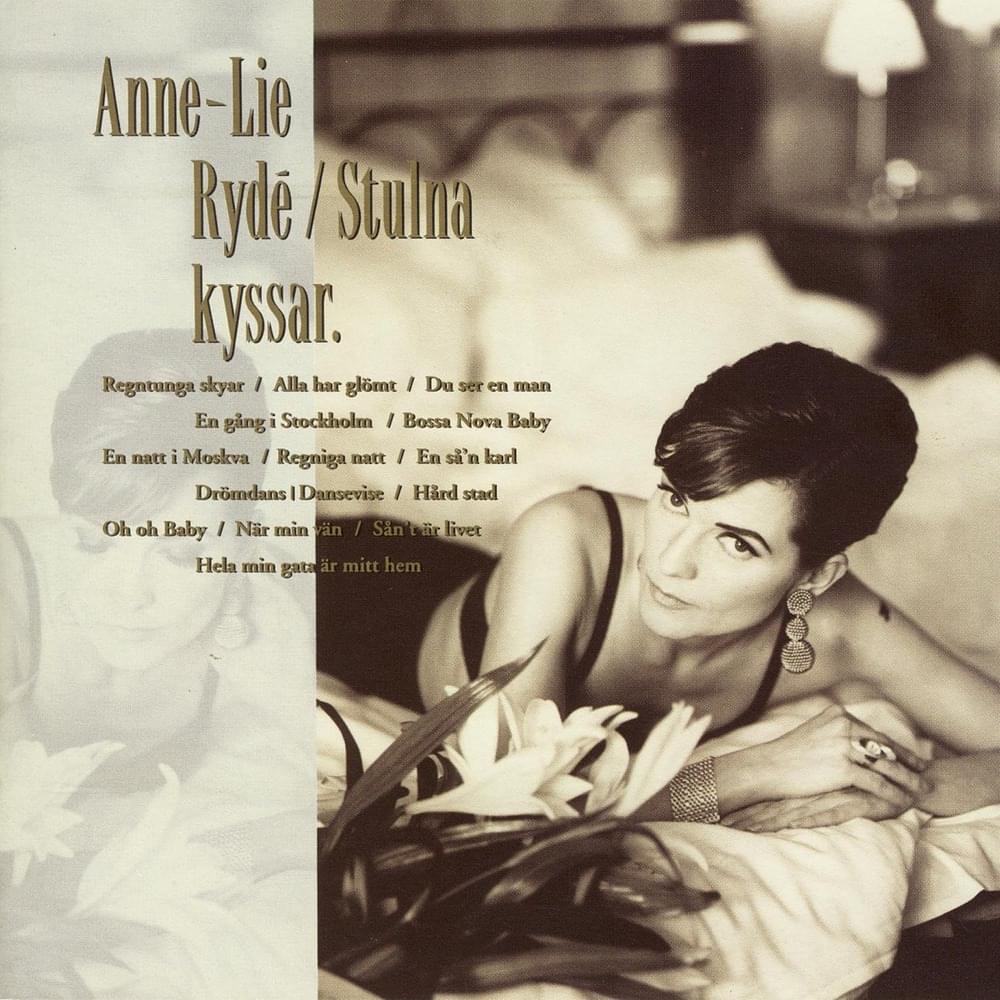
 View Artist