Song Meaning
The lyrics paint a stark picture of a year declared "the year of the child" that brought little genuine change. Initially, hungry children stopped voicing their needs, seemingly satiated by lectures rather than solutions. This suggests a superficial response to deep-seated issues, where talk replaced action. The repeated phrase "Ήτανε το έτος του παιδιού" (It was the year of the child) becomes ironic, highlighting a missed opportunity.
This disconnect is further emphasized by the contrast between external beautification and internal emptiness. Walls are covered in paint, implying a visual facelift, but no one is found to "paint the white hearts of people." This powerful image suggests that while the world might look brighter, the emotional or spiritual core of humanity remains untouched, cold, or perhaps, blank.
The song then shifts focus to refugee children, who are given binoculars to gaze at the beautiful homes of their homelands. This is a particularly poignant and cruel detail. Instead of providing tangible solutions or safe havens, they are given a tool to merely observe what they have lost from afar. The "year of the child" offered them only the ability to look, not to return or rebuild.
Ultimately, the effectiveness of these lyrics lies in their understated bitterness and the potent, melancholic imagery. The simple, almost childlike repetition of the central phrase underscores the profound disappointment. It's the quiet resignation in the face of unfulfilled promises that makes the "year of the child" feel like a hollow echo, a year where the needs of children were acknowledged but not truly met.
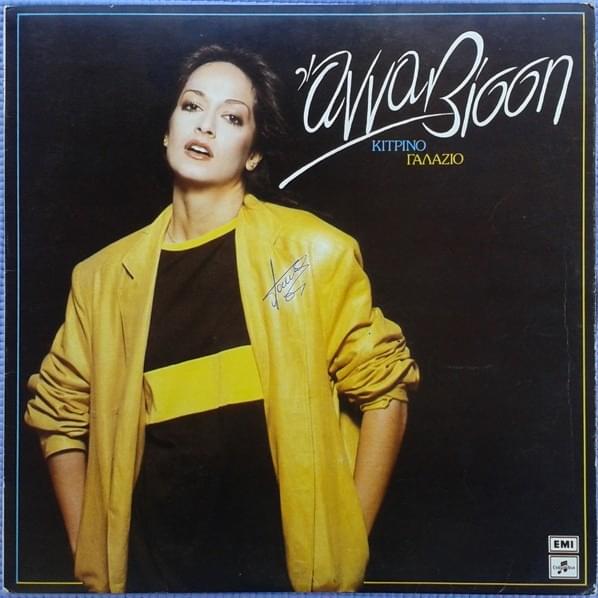
 View Artist