Song Meaning
The lyrics paint a stark picture of seasonal change and loss, opening with a direct address to flowers like roses and jasmine, then requesting a cyclamen from the rock. This sets a tone of seeking specific natural elements, perhaps as a way to hold onto something tangible as other things fade. The immediate request for flowers feels like an attempt to capture beauty or a specific moment before it passes.
The central tension arises from the departure of familiar elements, most notably the swallow from the hut, a classic symbol of spring's return. The narrator then asks for an anemone from the plain, mirroring the earlier request but emphasizing what is now absent. This repetition highlights a sense of displacement and the yearning for what has gone, as the summer warmth also departs, replaced by the north wind and clouds. The lyrics suggest a feeling of being left behind as nature cycles onward.
The most striking craft element is the personification and almost ritualistic invocation of seasons and figures. The departure of summer is described as "sun-born," and the arrival of autumn is marked by the figure of St. George, the horseman. This figure is depicted with a captivating, almost romantic intensity, described as "love itself" with his face. This elevates the seasonal shift from a simple observation to an encounter with powerful, almost mythical forces.
These lyrics resonate because they translate the abstract concept of time passing into concrete, evocative imagery of nature and figures. The contrast between the lost swallow and the arriving horseman creates a poignant emotional arc. The specific requests for flowers ground the feeling of loss in tangible desires, making the narrator's experience feel immediate and deeply felt, even as it speaks to a universal experience of change.
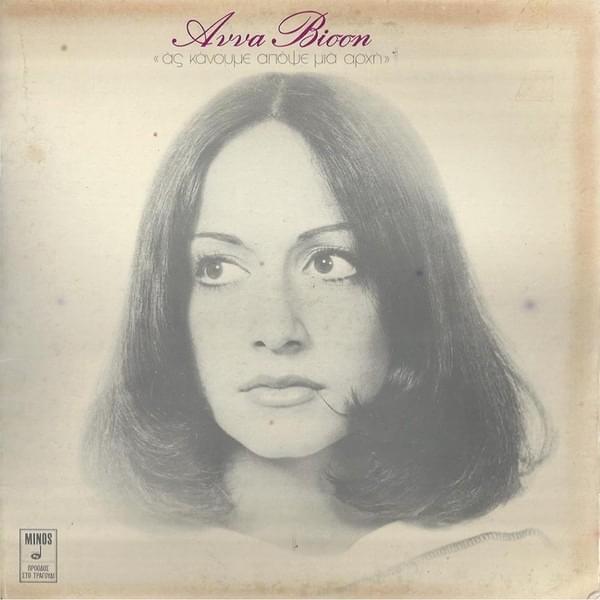
 View Artist