Song Meaning
The lyrics paint a picture of enduring connection, a shared journey through time and the world's demands. There's a quiet intimacy in the "occhi un po' stanchi" (eyes a bit tired), suggesting a long road traveled together, yet the core sentiment is one of unwavering tenderness. The narrator finds solace and renewal, stating, "E mi ridai la vita tu, solo tu" (And you give me life again, only you), highlighting the profound impact of this relationship.
The central tension lies in the contrast between the external world's weariness and the internal sanctuary built by this bond. The narrator acknowledges the passage of time and the "mani del mondo" (hands of the world), but insists on preserving "momenti teneri non lasciando mai cadere l'anima" (tender moments never letting the soul fall). This dedication to cherishing the gentle aspects of their connection, even amidst fatigue, forms the emotional bedrock of the song.
The most striking aspect is the evolving portrait of the beloved. Initially a "tenero vecchio caro" (tender old dear), the image shifts to "giovane vecchio caro" (young old dear) in the second chorus. This isn't a contradiction but rather an affirmation of timeless essence, suggesting that the beloved's immense spirit transcends age. The narrator sees this unchanging core, declaring, "Con o senza rughe tu, sei come sarai" (With or without wrinkles you, you are as you will be).
Ultimately, the lyrics resonate because they capture the profound comfort found in a love that feels both deeply familiar and eternally vital. The act of holding hands, "Ti do la mano" (I give you my hand), becomes a powerful gesture of mutual support and a lifeline against the world's pressures. It's this consistent, life-affirming presence that makes the beloved an "immenso tu" (immense you), a source of enduring strength and renewal.
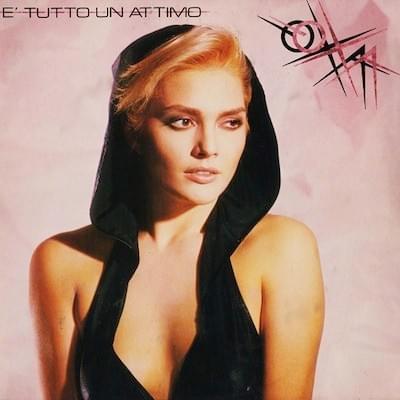
 View Artist