Song Meaning
The lyrics present a speaker who defines themselves by what they are not, or by what they offer to a specific "you." "Sono quella che vedi, e nient'altro di più" sets a tone of directness, almost a challenge, asking "Per te cos'è il di più?" The narrator insists on their tangible presence, "Non sono mai fantasma / Se poi mi tocchi tu," and directly links this physicality to affection: "E dunque cosa c'è se cerco te / Vuol dire che io amo te." This establishes a core tension between external perception and internal feeling, mediated by the presence of the beloved.
The narrator then shifts to a future-oriented self, "Sarò quella che speri / Solo questo se vuoi." This willingness to adapt, to be "una cena calda e dopo anche di più," is presented not as a compromise, but as a natural extension of their love. The repetition of "io amo te" acts as a grounding refrain, a simple, declarative truth that underpins all these conditional offerings. The question "Di strano cosa c'è se voglio te" suggests that this desire, and the love it signifies, is the most natural thing in the world.
The chorus reveals a deeper set of values, rejecting grand ambitions for something more intimate. "Non cerco un regno ma un pensiero" and "Non voglio il cielo già ce l'ho" highlight a contentment with the present and the profound, rather than the superficial or aspirational. The imagery of "Il bacio vero di un bambino" evokes a pure, unadulterated joy that the narrator cherishes. This desire for genuine connection is further emphasized by the practical, loving actions described: "so cosa fare / E cosa stendere per te / So come prendere i momenti dolci / Prenderti perché io amo te." The ability to nurture and cherish these moments is presented as the ultimate expression of their love.
Strofa 2 further clarifies the narrator's identity by negation, distancing themselves from roles of conflict or impersonal movement. "Io non sono una strada / Di semafori e tram" suggests a rejection of routine or a life dictated by external signals. Similarly, "E nemmeno una spada / Vendicarmi non mi va" indicates a lack of aggression or a desire for retribution. The simple statement "Sto bene anche così" and "La noia non fa parte mai / Dei nostri sì" reinforces a self-assuredness and a focus on the positive, shared experiences within the relationship. The effectiveness of these lyrics lies in their straightforward articulation of a love that is both adaptable and deeply rooted in authentic, present-moment connection, valuing simple joys over grand gestures.
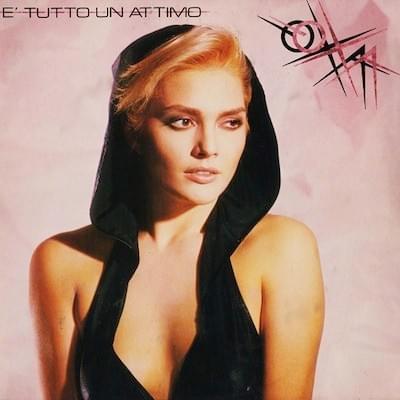
 View Artist