Song Meaning
The lyrics paint a stark picture of a relationship where one person desperately craves control, but finds none. The opening lines, "Torre di controllo, luci colorate / Che dipendono da me, io comando te," establish a powerful, albeit illusory, sense of command. This initial assertion of power, however, quickly crumbles under the weight of the narrator's disillusionment, as they lament, "Non c'è stato neanche un sì / Nemmeno un vero no." The scene shifts from a perceived command center to a space of profound uncertainty and emotional distance.
The central tension lies in the narrator's desperate need for control versus the reality of their powerlessness within the relationship. The repeated refrain, "Qui non ho controllo su di te," acts as a stark confession, a brutal acknowledgment of their inability to influence or direct the other person. This helplessness is amplified by the narrator's readiness, "Pronta così io non ero stata mai," juxtaposed with the partner's apparent detachment, "Tu, vicino la finestra, guardi chissà che." The lyrics suggest a one-sided investment, where the narrator is fully prepared for a connection that the other person is not reciprocating or even acknowledging.
The most striking craft element is the recurring motif of the "control tower" and the "lights." Initially presented as a symbol of the narrator's perceived authority, it transforms into a metaphor for their failed attempts to manage the relationship's trajectory. The shift from "io comando te" to the repeated, almost desperate, "Qui non ho controllo su di te" highlights a profound internal conflict. The lyrics also employ a stark contrast between the narrator's internal state of readiness and the external reality of the partner's disengagement, creating a palpable sense of emotional isolation.
Ultimately, these lyrics resonate because they capture the painful experience of investing deeply in a connection that feels fundamentally out of reach. The raw, unvarnished language, particularly the insistent repetition of "non ho controllo," bypasses complex metaphor to deliver a direct emotional blow. The narrative arc moves from a false sense of mastery to a raw admission of helplessness, making the listener feel the sting of this unrequited emotional labor and the quiet despair of being unable to steer the course of a relationship.
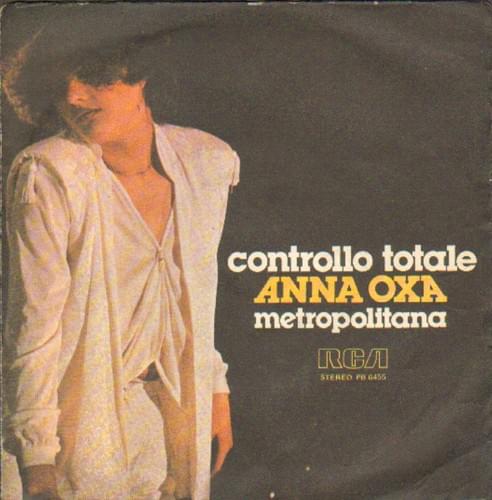
 View Artist