Song Meaning
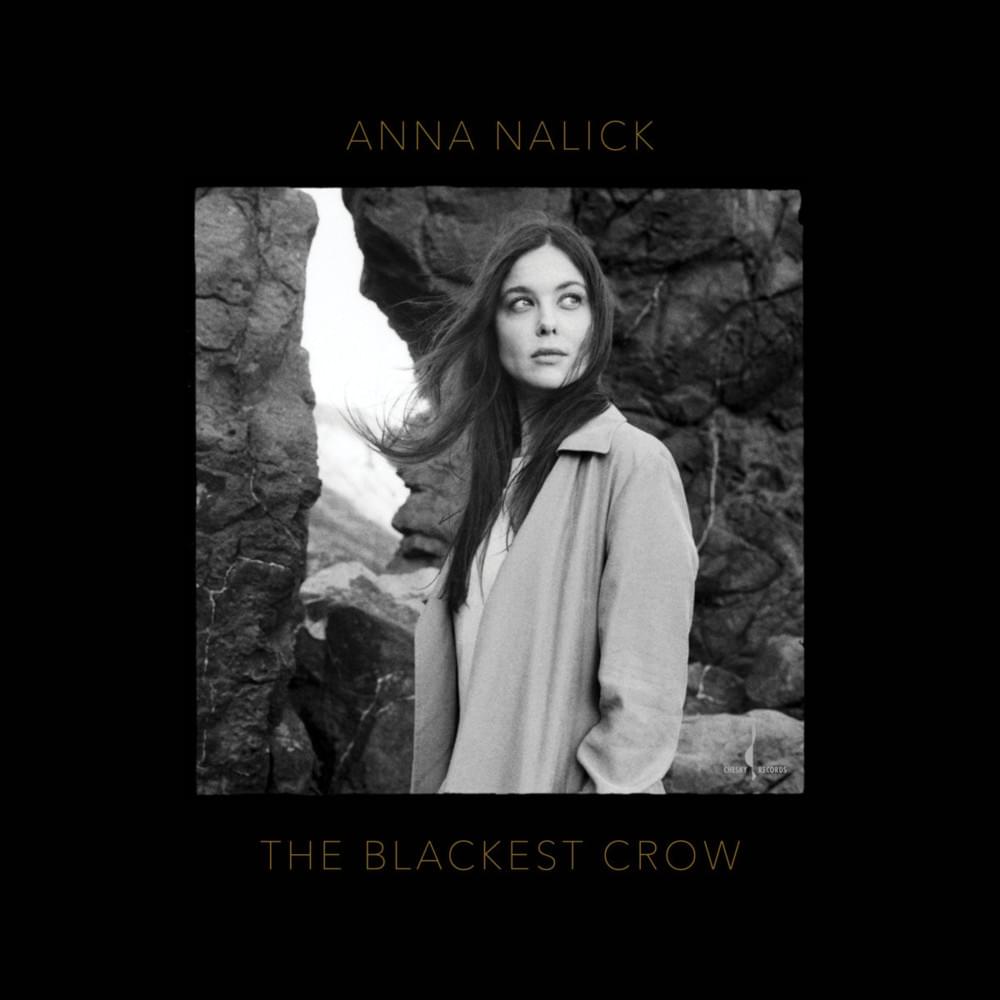
Anna Nalick's interpretation of "Helplessly Hoping" (originally by Crosby, Stills & Nash) isn't just a cover; it's a psychological portrait of fractured connection. Nalick strips the song down, exposing the raw nerve of codependency and the agonizing push-and-pull within a relationship struggling to define itself. The lyrics depict a harlequin-like figure, desperate for validation ("awaiting a word, gasping at glimpses"), orbiting a 'gentle true spirit.' This immediately establishes an imbalance of power, a dynamic where one partner is perpetually seeking approval, seemingly willing to abandon themself in the process. The repeated motif of 'good-bye' and 'hello' underscores the precariousness of their bond, forever teetering on the edge of collapse or renewal. This is not about simple love; it's about the anxiety of attachment.
The second verse introduces a passive observer, 'wordlessly watching,' who 'heartlessly' feeds on the other's 'bad dreams.' This is a darker element, suggesting a parasitic relationship where one partner thrives on the other's vulnerability. This could reflect a fear of intimacy, where vulnerability is weaponized rather than cherished. The question of whether he heard a 'good-bye' or even a 'hello' echoes the first verse, reinforcing the theme of miscommunication and uncertainty. The core of the song lies in the paradoxical lines, 'They are one person, They are two alone, They are three together, They are for each other.' This is a riddle of identity, suggesting a blurring of boundaries within the relationship. They exist as individuals, yet they're inextricably linked, their fates intertwined, even if that intertwining is destructive.
The final verse heightens the sense of unease. 'Confusion has its cost,' a warning that the lack of clarity and self-awareness will inevitably lead to pain. The 'lady' who is 'lost' and 'choking on hello' is trapped in a cycle of approach and avoidance, unable to fully commit or completely detach. This speaks to a deep-seated fear of vulnerability, a fear that love itself is a trap. Anna Nalick doesn't just sing the song; she embodies the emotional turmoil, highlighting the inherent tension in relationships where identity is sacrificed for the sake of connection, or where connection itself becomes a battlefield of unspoken needs and anxieties. The song meaning, then, isn't just about hope, but about the desperate, often self-destructive, ways we seek it in others.
 View Artist