Song Meaning
The song opens with a disorienting morning, a phantom voice calling, which resolves into the unsettling presence of an "old used-to-be." This immediately sets a tone of lingering past relationships and unresolved feelings. The narrator then shifts focus to her current situation, expressing frustration that other women in Chicago are interfering with her "good man." This hints at a possessiveness and a struggle to maintain her relationship amidst external pressures.
The central tension arises from the narrator's complex feelings for her partner. She acknowledges he's not conventionally attractive ("He ain't good lookin'"), yet he possesses a "cool, kind way" that deeply affects her. This kindness, however, is also a source of anxiety, making her constantly "worried in mind" that he might leave. The paradox of his comforting yet destabilizing presence is the emotional core.
The most striking aspect is the narrator's declaration of unconditional love coupled with a plea for reciprocation. "I love my baby and I don't care what he do," she sings, a statement of devotion that feels almost desperate. This is immediately followed by the poignant, "And I hope someday he'll learn to love me too." This reveals a deep insecurity and a yearning for genuine affection, suggesting her love might be unrequited or at least not fully returned.
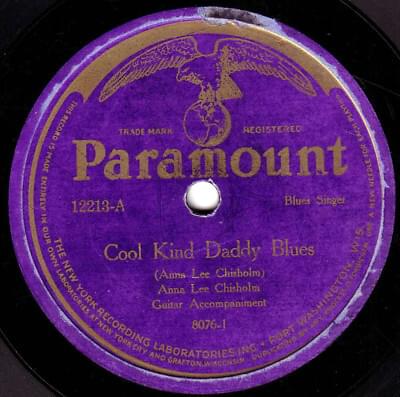
This raw vulnerability, expressed through simple, direct language, is what makes the lyrics so effective. The repetition of key phrases, like the morning call and the description of her man's "cool, kind way," emphasizes the cyclical nature of her worries and affections. The final verse, identifying the singer as Anna Lee Chisholm, grounds the personal narrative, making the blues feel immediate and authentic, a confession of love and longing that resonates with anyone who's ever felt insecure in a relationship.
 View Artist