Song Meaning
The narrator recounts a period of intense personal suffering, marked by repeated declarations of crying and a heart "full of misery." This initial outpouring of grief, however, isn't just catharsis; it's a precursor to a demand. The lyrics pivot sharply in the first verse, stating, "And now it's your turn to cry for me," shifting the emotional focus from internal pain to an external expectation of reciprocal suffering.
The core tension lies in the narrator's unresolved pain and a desire for the object of their misery to experience a similar anguish. The repetition of "So many days gone by" emphasizes the prolonged nature of this suffering, suggesting a deep-seated hurt that has endured over time. This prolonged state of crying, where "all I could do was cry," highlights a feeling of helplessness and an inability to move past the pain inflicted by another person.
The craft here is stark and direct, eschewing complex metaphors for raw emotional declaration. The promise, "I'll never, I'll never love again," is a powerful statement of emotional finality, born from the pain of past betrayal. The plea in the outro, "don't make me over," coupled with the observation that "everybody loves lovers," suggests a yearning for connection that has been so damaged by this experience that the narrator feels fundamentally altered and perhaps unable to participate in love as before.
This lyrical approach is effective because it mirrors the overwhelming, singular focus of intense emotional distress. The direct address and the demand for the other person to feel pain create a palpable sense of unresolved conflict. The narrator's final, almost resigned, observation about lovers feels like a wistful acknowledgment of what has been lost, making the preceding pain feel all the more profound and isolating.
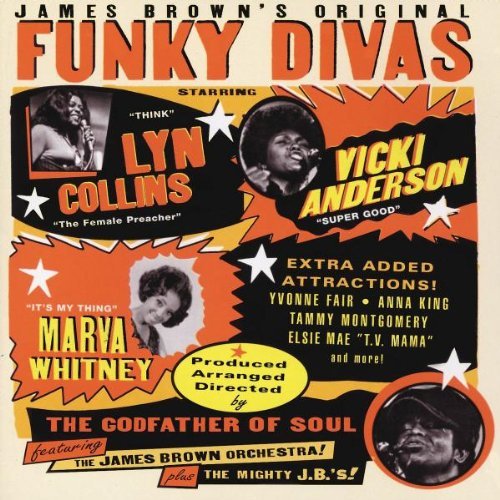
 View Artist