Song Meaning
The lyrics paint a picture of intense longing and a desperate plea for someone's return. The opening lines, "Kom hem nu jag saknar dig" (Come home now I miss you), immediately establish a tone of deep personal absence and emotional need. This isn't just a casual request; it feels like a vital connection has been severed, leaving the speaker feeling incomplete and adrift. The repetition of "Kom hem" acts as a grounding, almost ritualistic, chant throughout the piece, emphasizing the singular focus of the speaker's desire.
The core tension lies in the speaker's perceived indispensability to the person they're addressing. "Vem ska annars se på mig?" (Who else will look at me?) suggests a unique, perhaps even dependent, dynamic where the other person's gaze is crucial for the speaker's sense of self. The imagery of the world being "vatten bredvid mig" (water beside me) implies a vast, perhaps overwhelming, emptiness that only the return of this person can fill. This suggests the speaker feels profoundly vulnerable without them.
The lyrics highlight a specific kind of acceptance and admiration the speaker offers. "Hos mig är du märklig / Hos mig är du verkligen / Overkligt fin" (With me you are strange / With me you are truly / Unreally beautiful) points to an appreciation of the person's unique qualities, even their eccentricities, which might not be seen or valued elsewhere. The repeated phrase "Här är du alltid" (Here you are always) contrasts with the current absence, suggesting a promise of steadfastness and belonging, a safe harbor where the addressed person can simply "Bara min" (Just mine), implying a possessive but perhaps also protective affection.
Ultimately, the effectiveness of these lyrics stems from their raw emotional directness and the specific, intimate portrayal of need. The plea isn't abstract; it's rooted in the speaker's personal experience of absence and the unique validation they feel they receive from the other person. The final lines, "Istället för inte var där jag är / Istället för att inte vara det / Kom hem" (Instead of not being where I am / Instead of not being that / Come home), encapsulate the profound dissatisfaction with the current state of separation and the singular, all-encompassing desire for reunion.
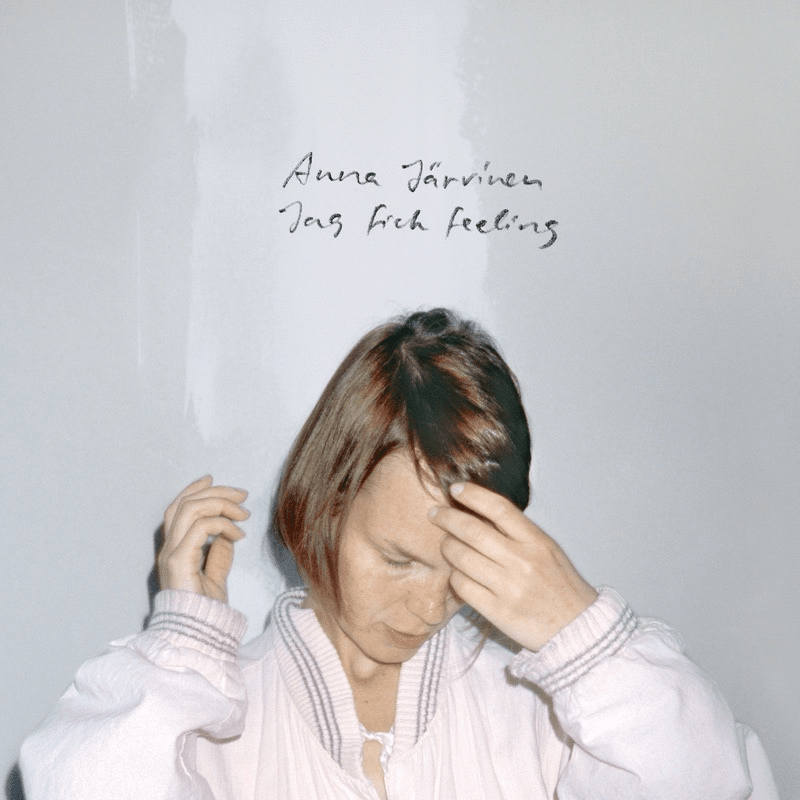
 View Artist