Song Meaning
The lyrics paint a stark picture of desperate loneliness on a dreary, rainy night. The narrator is consumed by a longing for a specific person's love and affection, feeling physically starved for their presence. This intense yearning is amplified by the persistent sound of rain, which the narrator interprets as a message, with each drop spelling out the name of the object of their desire. It’s a raw, almost primal, expression of unfulfilled need.
The central conflict arises from the unrequited nature of this love. The narrator is acutely aware that the person they desire belongs to someone else, acknowledging the futility of their situation in the bridge. Yet, despite this knowledge, the emotional pull is overwhelming, leading to a desperate, almost involuntary, impulse: a feeling of wanting to disrupt an existing relationship to satisfy their own profound loneliness and hunger for connection. The repeated plea, "Don't break it up," in the intro and outro adds a layer of self-awareness or perhaps an external warning against the very action the narrator contemplates.
The craft here is in the visceral, almost physical, description of emotional pain. The narrator isn't just sad; they are "starving" and "hungry," and the emotional distress is so intense it causes them to "cry so hard" they "caught a chill." This physical manifestation of emotional turmoil, coupled with the inability to "control the vibration" of their heart, underscores the overwhelming and involuntary nature of their feelings. The lyrics suggest a state of emotional desperation where rational thought takes a backseat to overwhelming, physical sensations of longing and distress.
This raw portrayal of emotional and physical desperation makes the lyrics hit hard. The narrator’s internal struggle, amplified by the external setting of a lonely, rainy night, creates a palpable sense of anguish. The direct, unvarnished language, focusing on physical sensations of hunger and cold alongside the overwhelming desire, bypasses intellectualization and speaks directly to a primal emotional core, making the narrator's desperate impulse feel tragically understandable, even if morally questionable.
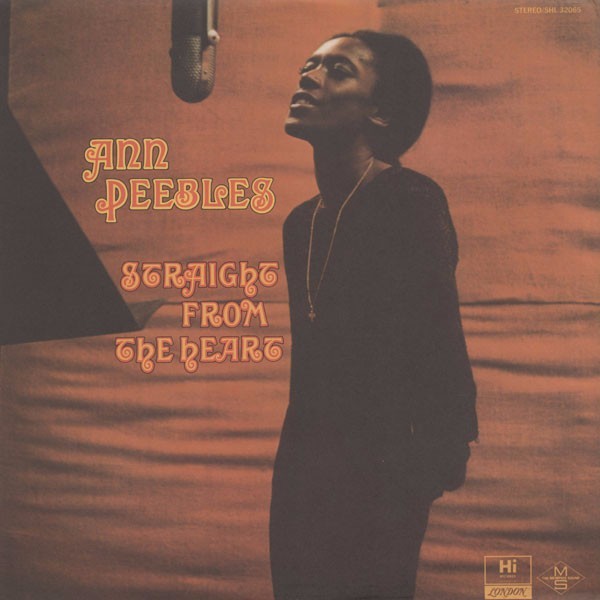
 View Artist