Song Meaning
The lyrics paint a stark, isolated picture of a cowboy's life, immediately establishing a tone of lonesome solitude. The opening lines, "The cattle are prowlin', the coyotes are howlin'," set a wild, untamed scene, punctuated by the mournful sound of "the doggies bawl." This auditory landscape is further defined by the "spurs are a-jinglin', a cowboy is singin'," culminating in the titular "lonesome cattle call."
The central tension lies in the repetitive, almost ritualistic nature of the cowboy's work and song. He "rides in the sun 'til his day's work is done," a cycle that repeats "each fall" as he "rounds up the cattle." This relentless duty is underscored by the constant refrain of his "cattle call," suggesting a life defined by this solitary task and its accompanying soundtrack.
The imagery of the cowboy's appearance, "brown as a bearie from ridin' the prairie," and his voice, singing "with an old western drawl," grounds the character in a specific, rugged archetype. This description emphasizes his deep connection to the land and the traditional, almost timeless, quality of his existence. The repetition of "Singin' his cattle call" reinforces the idea that this song is not just a melody but an intrinsic part of his identity and his environment.
Ultimately, the effectiveness of these lyrics stems from their ability to evoke a strong sense of place and a palpable feeling of isolation. The simple, direct language and the recurring motif of the "cattle call" create a powerful, almost hypnotic, effect, drawing the listener into the vast, quiet expanse of the prairie and the solitary world of the cowboy.
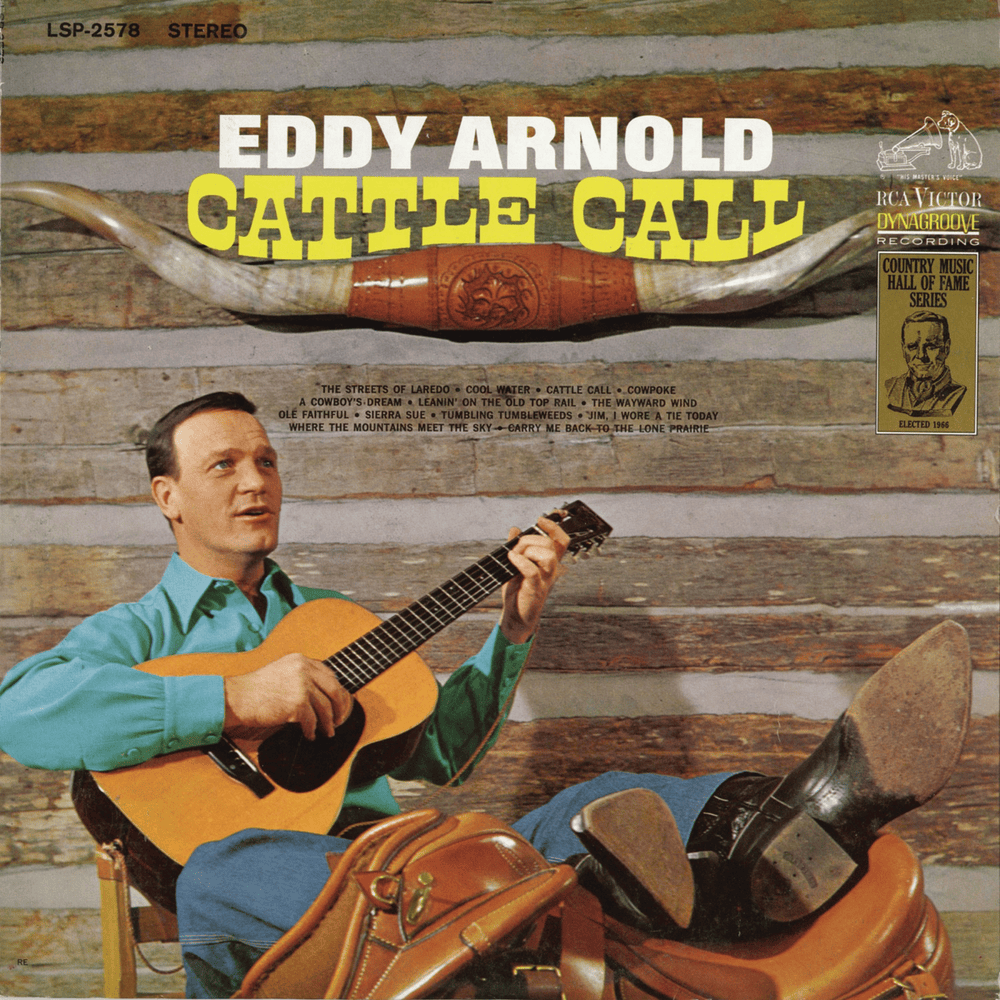
 View Artist