Song Meaning
The lyrics paint a picture of a relationship's painful end, where one person is letting the other go with a forced "best wishes." There's a clear sense of resignation, as the narrator acknowledges, "Vidim da nam ne ide" (I see it's not working out for us), yet a lingering "A još kako moglo je" (And yet how it could have been) hints at the lost potential. This sets up a quiet devastation, a feeling of something valuable slipping away despite the outward attempt at grace.
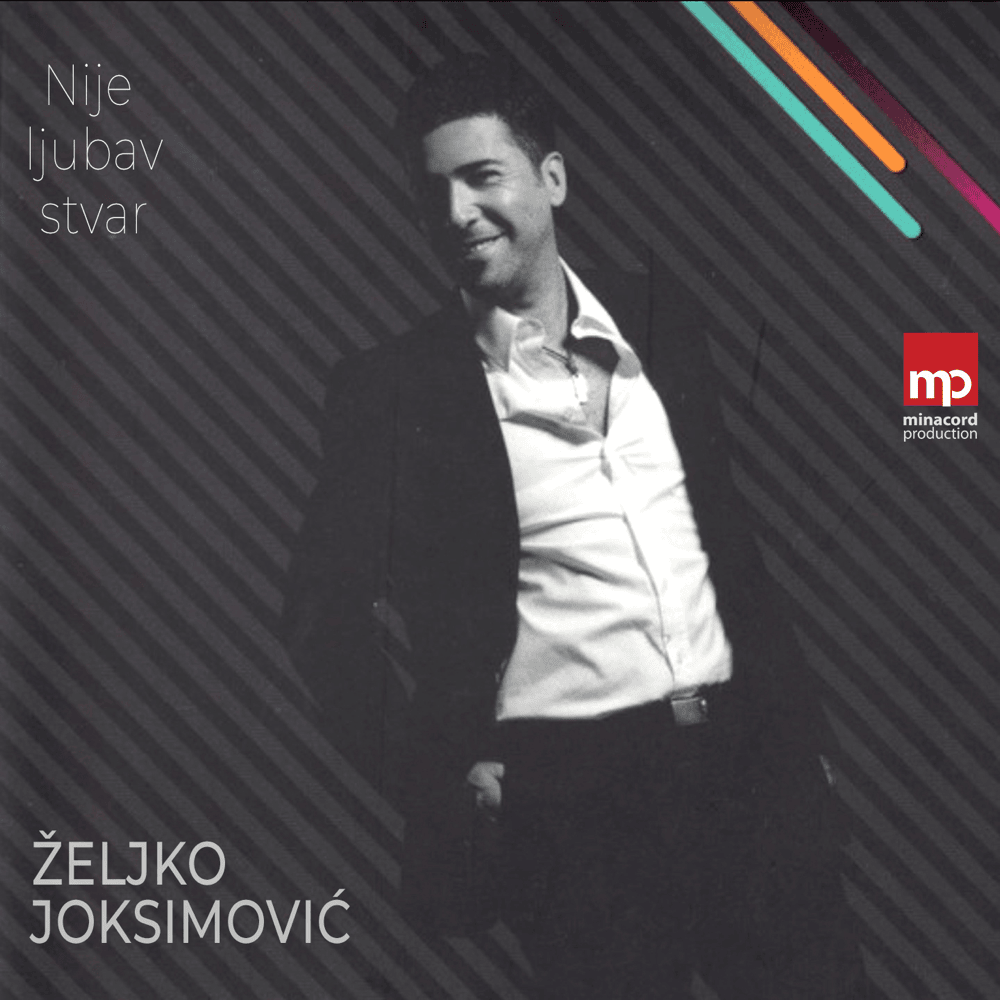
The central tension lies in the narrator's internal struggle between accepting the breakup and the profound personal cost it represents. The repeated phrase "Nije ljubav stvar" (Love isn't a thing) is crucial, emphasizing that love isn't an object to be returned or discarded. It's presented as an intrinsic part of the narrator, something that defines them, leading to the poignant declaration, "Ova ljubav samo moj je brodolom" (This love is just my shipwreck). This highlights the one-sided nature of the suffering, where the love itself becomes the source of personal ruin.
The most striking craft element is the subtle shift in perspective and ownership of the "shipwreck." While the chorus initially states "Ova ljubav samo moj je brodolom" (This love is just my shipwreck), the second iteration of the chorus and the post-chorus modify it to "To moj je brodolom" (That is my shipwreck). This small change suggests a growing distance from the love itself, even as the pain remains. The repeated command "Idi, samo, samo, idi, tamo" (Go, just, just, go there) further underscores the narrator's active, albeit pained, release of the other person, even as they acknowledge "Nešto tvoje, znaj, tu će ostati" (Something of yours, know, will remain here).
These lyrics resonate because they capture the complex emotional aftermath of a breakup where one person carries the weight of the love lost. The writing avoids grand pronouncements, instead focusing on the quiet, personal devastation of a love that can't be simply handed back. The contrast between the outward "Želim ti sve najbolje" (I wish you all the best) and the internal "brodolom" (shipwreck) creates a powerful, melancholic effect, making the narrator's pain feel deeply personal and earned.
 View Artist