Song Meaning
Anja Garbarek's "Good Dogs & Sad Songs" is not a track you simply *hear*; it's an experience of psychological disorientation. The song opens with a stark image: waking up in a stranger's apartment, yet convinced it's your own. This immediately establishes a sense of fractured reality, a feeling of being profoundly out of sync with one's surroundings. The lyrics suggest a deeper unease than mere physical displacement. The 'disguised' rooms imply a manipulation of the familiar, a subtle but insidious alteration of the self. This feeling of alienation is not just about location; it's about identity. Garbarek masterfully paints a picture of a mind grappling with its own perceived reality, questioning the very foundations of its understanding.
The arrival of the 'figure' – a shadow barely touching the body, mouth moving 'open and shut' – amplifies the sense of detachment. This could be interpreted as a representation of communication breakdown, a failure to truly connect with others, or perhaps even a confrontation with a repressed aspect of the self. The protagonist's desperate plea, 'Now you may come out,' becomes a haunting mantra, a yearning for clarity and resolution. The fear of a conspiracy, coupled with the laughter emanating from the closet, takes us into the realm of the surreal. The closet, a traditional symbol of hidden secrets and repressed desires, becomes the focal point of the protagonist's inner turmoil.
The climax arrives with the discovery: 'I push the door open / And stare straight into my home / I have found them all.' This is not a literal finding of others, but a revelation, a confrontation with the fragmented parts of the self. The shift from searching to joining in laughter is pivotal. It suggests acceptance, a willingness to embrace the absurdities and contradictions within. The final lines, 'Just one of those days,' are delivered with a knowing irony. They acknowledge the inherent strangeness of human experience, the moments when reality bends and perception shifts, reminding us that sometimes, the only sane response is to laugh.
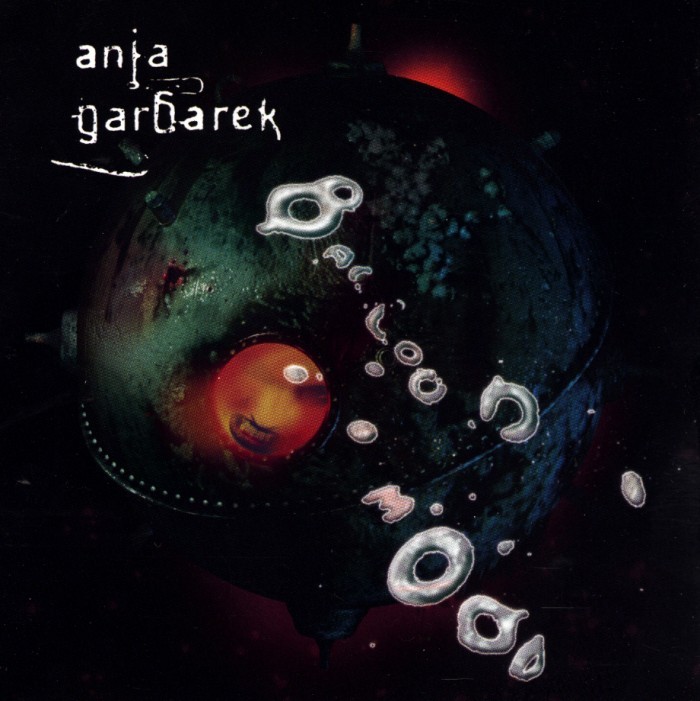
 View Artist