Song Meaning
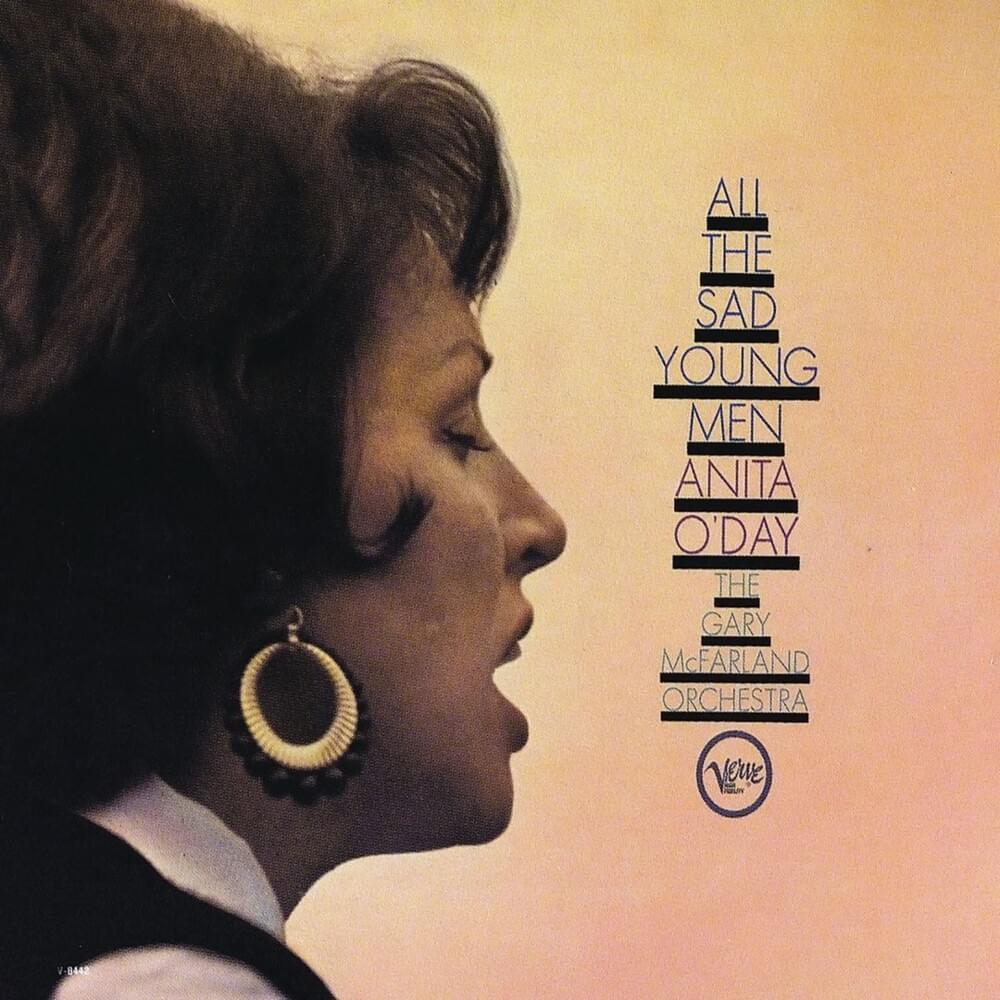
Anita O'Day's haunting rendition of "The Ballad of the Sad Young Men" isn't just a song; it's a stark psychological portrait rendered in smoky jazz tones. The lyrics paint a picture of disillusioned youth, men drowning their sorrows in rye, resigned to a world where "all the news is bad again." It's a post-war lament, perhaps, or a timeless snapshot of existential angst. The sad young men aren't just unlucky; they're fundamentally disconnected, preferring the artificial glow of "neon nights" to the genuine article of the stars. This speaks to a deeper societal alienation, a rejection of authentic experience in favor of fleeting, manufactured comforts. They are, in essence, choosing a simulacrum of life.
The recurring motif of drinking underscores the self-destructive spiral these men are trapped in. They "drink up the night, trying not to drown," suggesting a desperate attempt to escape an overwhelming sense of despair. The lyrics also touch on the crushing weight of unrealized potential: they are "choking on their worth," implying a societal or personal failure to live up to expectations. The most poignant line, "running from the truth," hints at a deeper, perhaps unspoken trauma or disappointment that fuels their sadness. The song avoids explicit details, allowing listeners to project their own interpretations onto these figures.
The ballad's bleakness finds a brief glimmer of hope, albeit a compromised one, in the image of the "tired little girl" who tries "to be gay for her sad young man." This relationship, though presented as transactional and emotionally strained, suggests a fundamental human need for connection. The "grimy moon" serves as a silent witness to their struggles, a celestial voyeur observing their "play of making love." In the final verses, the song shifts from observation to supplication, imploring the "misbegotten moon" to "shine for sad young men" and guide them home. This plea for guidance and solace underscores the vulnerability and lostness at the heart of O'Day's melancholic masterpiece. Ultimately, "The Ballad of the Sad Young Men" is not just about sadness, but about the human condition, the struggle for meaning, and the fleeting moments of connection that can offer respite from the darkness.
 View Artist