Song Meaning
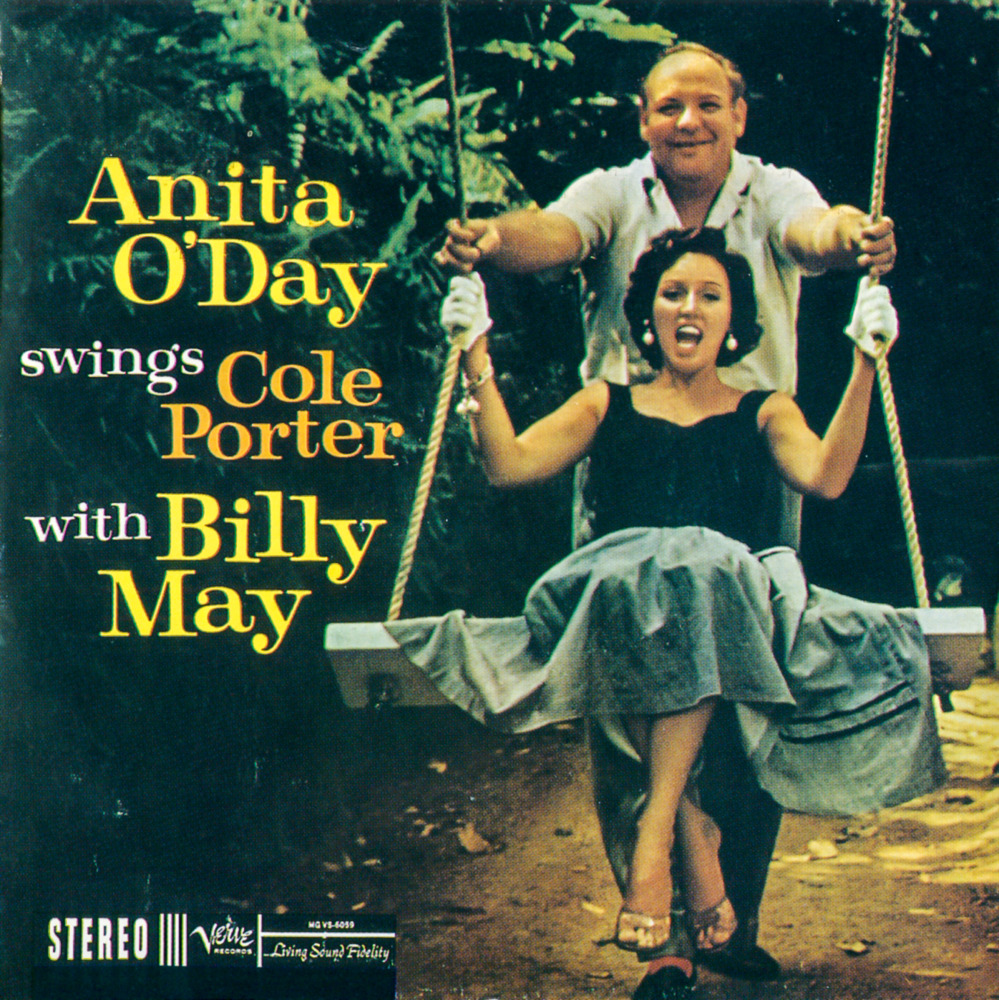
Anita O'Day's rendition of "My Heart Belongs to Daddy" is less a straightforward declaration of incestuous affection and more a sly wink at the power dynamics inherent in relationships, filtered through the lens of Jazz Age flirtation. The song, on the surface, seems to depict a woman whose primary emotional attachment is to her "Daddy," seemingly deflecting the advances of other men. However, the playful tone and O'Day's knowing delivery suggest a more nuanced interpretation. The "Daddy" figure could be a representation of financial security, emotional stability, or even a patriarchal societal structure that the singer both acknowledges and subtly subverts. The lyrics, with their casual mentions of golf caddies and fancy dinners, paint a picture of a woman navigating a world where her affections—or at least the appearance of them—hold a certain transactional value.
Delving deeper into the song meaning, the repeated assertion that she "simply could not be bad" because her heart belongs to Daddy is particularly telling. It hints at a performance of innocence, a carefully constructed facade that allows her to operate within the constraints of societal expectations while still maintaining a degree of agency. The ambiguity surrounding the identity of "Daddy"—is it literally her father, a wealthy benefactor, or a symbolic representation of authority?—further complicates the narrative. O'Day's vocal delivery, characterized by its cool detachment and subtle irony, encourages the listener to question the sincerity of the singer's claims. She's not necessarily proclaiming her love for her father; she's performing a role, a character who understands the game and knows how to play it to her advantage.
Ultimately, Anita O’Day’s interpretation of "My Heart Belongs To Daddy" transcends a literal reading, evolving into a commentary on female agency, societal expectations, and the performance of desire. The song uses the trope of the Daddy's girl as a vehicle to explore the complexities of female identity within a patriarchal framework. The lyrics' flippant tone and O'Day's masterful vocal control create a space for both playful interpretation and critical reflection, making it a fascinating study in the art of subtle subversion.
 View Artist