Song Meaning
Anita O'Day's rendition of "Harlem on Parade" doesn't just swing; it marches with a complex, layered patriotism. On the surface, it’s a celebration of Black soldiers, a vibrant spectacle of community pride and martial prowess. The lyrics paint a vivid picture: a drum boy, a bugle boy, soldiers in full uniform, cheered on by an enthusiastic crowd. This is Harlem at its finest, a display of unity and strength that makes "Uncle Sam" himself proud. But beneath the surface of this seemingly straightforward patriotic anthem lies a deeper, more poignant truth. The song implicitly acknowledges the historical context of Black Americans serving a nation that often failed to serve them in return. The line "That the man behind the horn / Is as handy with a gun / When there's fighting to be done!" hints at the duality of the Black soldier's experience: celebrated for their valor in war, yet facing discrimination and inequality at home.
"Harlem on Parade," through O'Day's interpretation, becomes a powerful statement about identity and belonging. The repeated refrain, "Uncle Sam is mighty proud / Of Harlem on parade," can be read as both genuine appreciation and a subtle challenge. Is the nation truly proud, or is this pride conditional, dependent on Black Americans' willingness to fight for a country that doesn't fully embrace them? The song's upbeat tempo and celebratory tone create a fascinating tension with its underlying message. It's a reminder that patriotism isn't always a simple, uncritical emotion. It can be intertwined with hope, resilience, and a demand for recognition.
The lyrics analysis reveals the song as a testament to the enduring spirit of Harlem and its people. The image of "every heart within the crowd" beating "with head unbowed" encapsulates the unwavering pride and determination that have long defined the community. It's a celebration, yes, but also a declaration: a refusal to be diminished or overlooked. In Anita O’Day's hands, "Harlem on Parade" transcends mere entertainment, becoming a nuanced and emotionally resonant commentary on race, patriotism, and the complex relationship between Black Americans and their country.
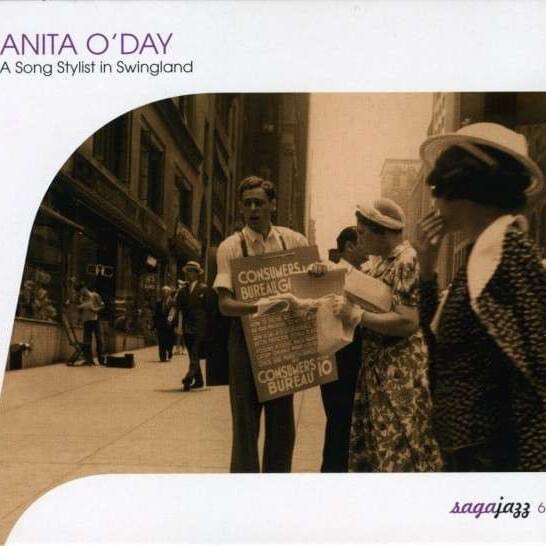
 View Artist