Song Meaning
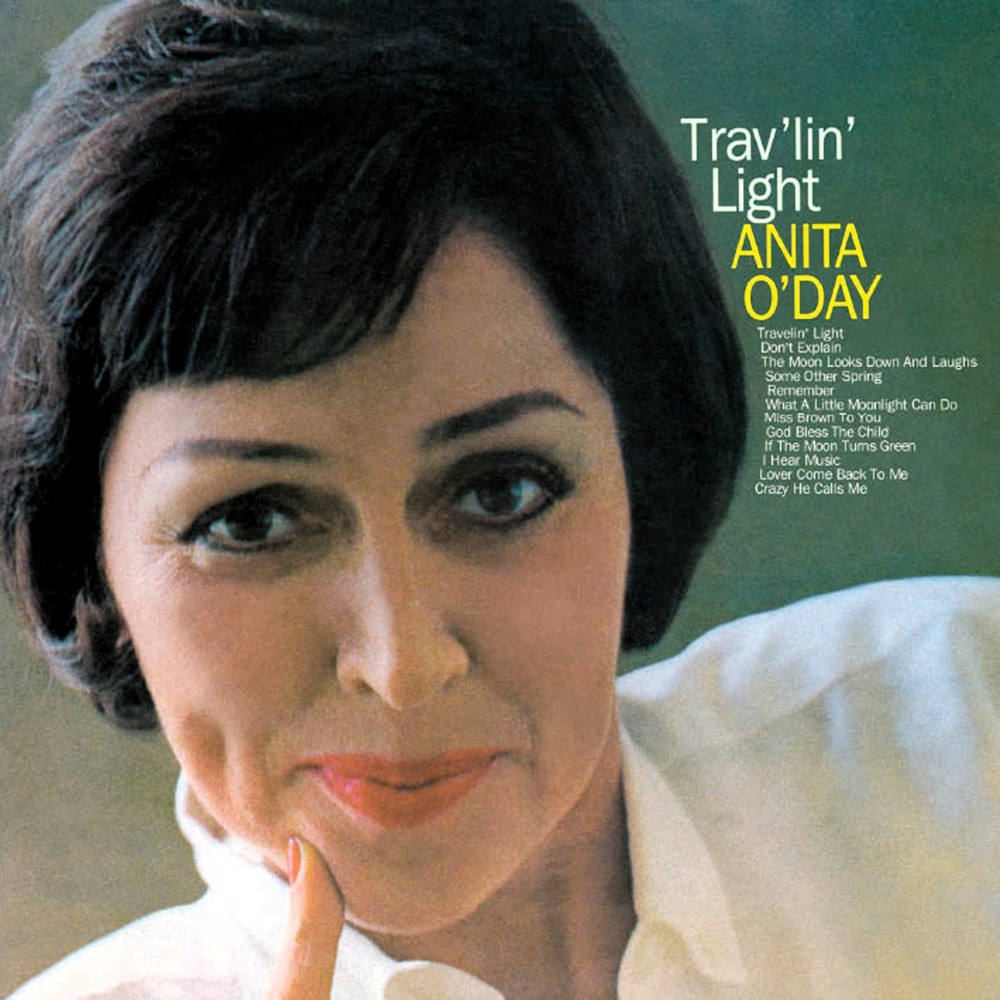
Anita O'Day's rendition of "God Bless the Child" isn't just a jazz standard; it's a stark, unsentimental survival anthem. The song meaning, stripped to its core, confronts the brutal realities of economic disparity. It’s a world where having is a self-fulfilling prophecy, and lacking guarantees further loss. O'Day doesn't offer platitudes or false hope. Instead, she delivers a clear-eyed assessment of a system rigged against the vulnerable. The biblical allusion, "Them that's got shall get, them that's not shall lose," isn't a theological statement, but a cynical observation on how power and resources concentrate.
The recurring line, "Mama may have, papa may have, But God bless the child that's got his own," becomes a mantra of self-reliance. It's not necessarily a celebration of independence, but rather a recognition that familial support is often unreliable or insufficient. There's a subtle, almost bitter acknowledgment that even those closest to you might offer only meager scraps ("crust of bread and such"). The psychological impact of this realization is profound: it forces the individual to prioritize self-preservation in a world that offers few safety nets. The song subtly hints at the transactional nature of relationships when money is involved (“Money, you've got lots of friends/Crowding round the door”).
O'Day's interpretation avoids mawkishness, emphasizing the resilience required to navigate such a harsh landscape. The final lines, "He just worry 'bout nothin' / Cause he's got his own," aren't an endorsement of materialism, but a hard-won acceptance of the system's rules. It's a pragmatic acknowledgment that self-sufficiency, however achieved, provides a degree of insulation from the precarity that defines the lives of those without resources. The song, therefore, serves as both a lament and a testament to the human spirit's capacity to adapt and endure in the face of systemic inequality.
 View Artist