Song Meaning
Anita Carter's "Voice Of The Bayous" isn't just a country tune; it's a swampy gothic drama distilled into song. Forget gentle Southern charm; this is bayou noir, steeped in voodoo and romantic threat. The repetitive, almost hypnotic, chant "Um-a-pa palesu-va" functions as both incantation and primal scream, underscoring the raw emotional stakes at play. The song's meaning hinges on a classic, yet culturally potent, conflict: a woman's fight against a supernatural rival for the affections of her man.
The lyrics conjure vivid images of moonlit gatherings and "voodoo boats," immediately establishing a world governed by forces beyond the natural. The "Voodoo queen" isn't just a jealous woman; she represents a primal, almost elemental power, waiting to claim the narrator's lover for her own. This isn't a polite disagreement; it's a battle for the soul, fought with potions and thrones. The song taps into deep-seated anxieties about fidelity and the seductive pull of the unknown, personified by the voodoo queen's dark magic.
But the narrator isn't passive. She counters the queen's dark arts with her own form of folk magic: a voodoo doll "stuck it full of pins." This act transforms her from victim to active participant in a desperate struggle. The "Voice Of The Bayous" is, therefore, not just the sound of unseen forces, but the voice of a woman refusing to surrender to them. The "dark as blood" moon signals a turning point, a moment of reckoning where the narrator's homemade vengeance will be unleashed. It's a chilling promise, suggesting that love, when threatened, can conjure its own dark magic.
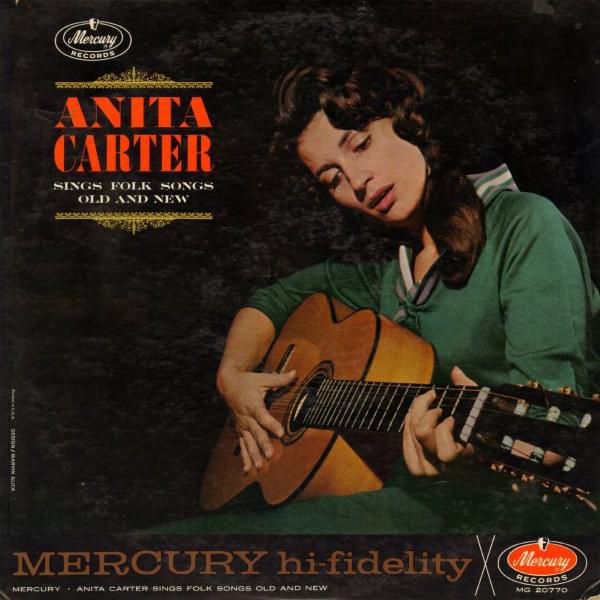
 View Artist