Song Meaning
Anita Carter's "The Kentuckian Song" is less a narrative than an exercise in obsessive, all-consuming devotion. It's a hyper-romantic vision, where the beloved permeates every aspect of the speaker's world. The lyrics drip with a kind of pastoral infatuation; sunlight, falling leaves, April showers, and bluebird calls all become vessels for the absent "darling." This isn't just love; it's a complete merging of the self with another person, to the point where the natural world itself reflects that connection. The question arises: is this love, or a form of idealized projection? The intensity hints at a fragile psychological state, where the speaker's happiness hinges entirely on the reciprocation of this affection.
The song flirts with the edge of sentimentality, saved only by the raw, almost desperate sincerity in Carter's delivery (inferred, as no audio was provided). The lines about telling the "possum at the guntree" and the "rackoon on the ground" are particularly telling. It's a childlike outpouring, a need to share this overwhelming emotion with anything that will listen. This naive openness contrasts sharply with the potential for devastating heartbreak hinted at in the latter half of the lyrics.
The repeated threat of inconsolable grief – "My heart would cry more than the weeping willow tree / If my darling and his heart were not for me" – adds a layer of anxiety to the idyllic imagery. It's a conditional happiness, predicated on the constant affirmation of the beloved's affections. This fragility underscores the precarious nature of such intense idealization. "The Kentuckian Song" becomes a study in the double-edged sword of romantic love: its capacity for sublime joy, intertwined with the ever-present threat of devastating loss. The song's meaning ultimately resides in this delicate balance, a testament to the vulnerability inherent in surrendering oneself completely to another.
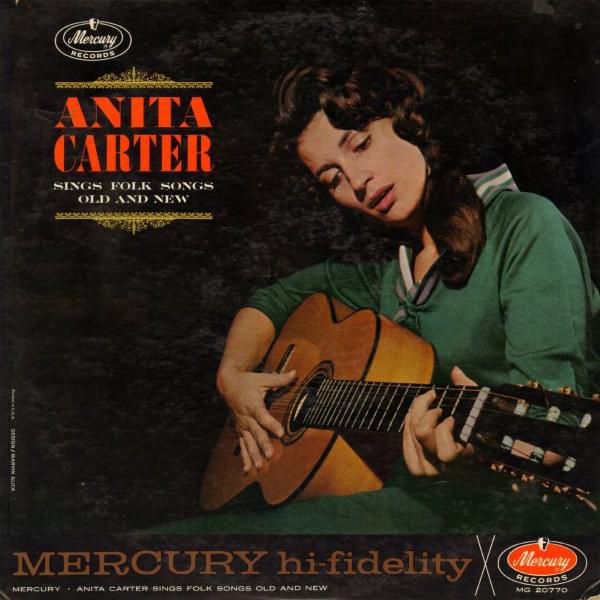
 View Artist