Song Meaning
Anita Carter's "How To Be A Woman" isn't a treatise on gender roles; it's a raw, vulnerable plea for emotional education. The song meaning resides in the space between societal expectations of womanhood and the speaker's lived experience of failed love and self-doubt. It's a stark departure from simple love songs, diving deep into the complexities of learning intimacy after experiencing heartbreak. The lyrics paint a picture of a woman grappling with the aftermath of a relationship where she felt misunderstood and perhaps rushed into commitment, leading to rejection. This initial encounter casts a long shadow, creating a sense of worry that love might never find her. But what kind of love is she seeking, exactly?
The core of the song lies in its central paradox: the speaker isn't necessarily looking for a savior, but rather a guide. She explicitly states, "I'm not asking you to love me... I just need a man to love me / And teach me how to love again." This isn't about romantic dependency; it's a desire for a model of healthy affection, a chance to relearn how to connect after tasting only "bitter" love. The repetition of "Can I arrive in this dream of love with you?" underscores a longing for a transformative experience, a chance to redefine her understanding of love within a safe and supportive relationship. The "dream of love" isn't a passive state, but an active journey of learning and growth.
Ultimately, "How To Be A Woman" is a profound exploration of vulnerability and the courage it takes to seek emotional healing. The line "I think you know me / And you could show me / How to be a woman" carries a double meaning. It hints at a desire to embody a more confident, fulfilled version of herself, but also acknowledges a need for guidance in navigating the often-confusing landscape of love and relationships. Carter's song exposes the fallacy that womanhood is an innate quality, suggesting instead that it is a learned experience shaped by interactions and relationships. The song's aching sincerity is a testament to the universal need for connection and the profound impact that love, both good and bad, can have on shaping our identities.
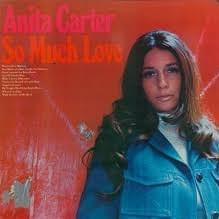
 View Artist