Song Meaning
Ani DiFranco's "Promised Land" isn't a sunny anthem of hope; it's a stark portrait of someone wrestling with inner demons, observed with both concern and a sharp, insightful eye. The opening verses paint a picture of a person suddenly overwhelming her environment, aggressively occupying space both physically and metaphorically. This isn't just a character sketch; it's a signal of distress, a transformation so abrupt it prompts the central question: "What's with this new version of who you are?" The song's core tension lies in deciphering the motivation behind this shift. Is it a genuine pursuit of something better, or a desperate attempt to mask a deeper pain?
The response, delivered with a squinting, guarded defensiveness, hints at the complexity within. "My heart has some dangerous neighborhoods, so beware where you try to go" isn't a flippant dismissal, but a warning steeped in lived experience. The subsequent lines about truth and lies become a moral tightrope walk. DiFranco suggests that the 'truth' and 'lies' are merely tools, and that the morality lies in whether the subject is trying to reach that "promised land" or just "trying to get by." This is a crucial distinction. It implies a weariness, a sense that sometimes survival trumps all other considerations, even honesty. The 'promised land' becomes less a literal destination and more a symbol of authentic selfhood, a state potentially sacrificed in the face of overwhelming hardship.
The final verse shifts into a more empathetic, almost mystical register. The guitar and camera metaphors suggest the power of art to capture and contain the intangible. DiFranco offers a profound understanding of emptiness, not as a void, but as a force to be harnessed, even ridden. The closing image of the "empty shell" chest containing a "perfect pearl of sadness" is particularly striking. It suggests a profound beauty born from pain, a resilience forged in the depths of despair. The offer to "press an ear" and listen to the "ocean inside" is not just an act of compassion, but an acknowledgement of the shared human capacity for both suffering and transcendence. Ultimately, "Promised Land" is a song about recognizing the precarious balance between self-preservation and the search for genuine fulfillment, a struggle made all the more poignant by DiFranco's unflinching honesty and deep well of empathy.
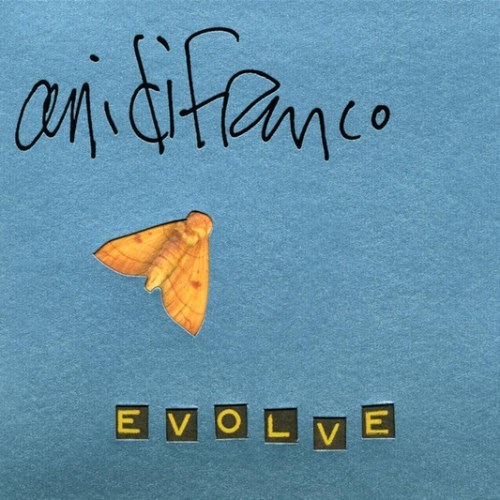
 View Artist