Song Meaning
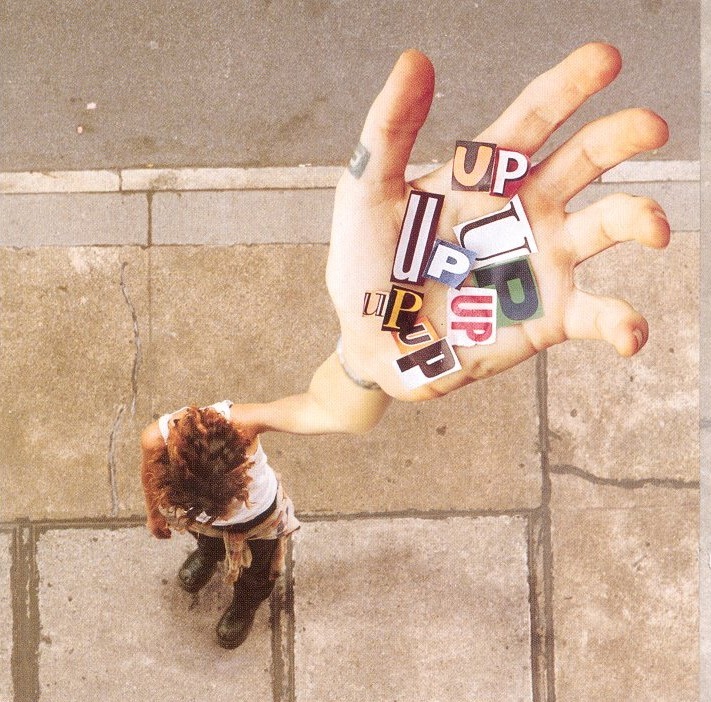
Ani DiFranco's "Know Now Then" isn't a straightforward love song; it's a post-mortem examination of a relationship viewed through the distorting lens of hindsight. The opening lines, "It's not so much that we got closer / As that her face just got bigger," immediately suggest a power imbalance, where one person's presence, or perhaps their needs, gradually consumed the narrator's perspective. This 'face' becoming the entire view implies a loss of self, a common theme in relationships where boundaries blur. The speaker's attempt to "sway her" with their own face, their own persona, proves futile, hinting at a fundamental incompatibility or perhaps an unequal investment in the connection. The "wrong song and dance" metaphor encapsulates the awkwardness and miscommunication that often plague doomed relationships. The narrator feels paralyzed, without "even a stance," unable to navigate the other person's unpredictable advances and retreats, symbolized by the digital age phrase, "Backspace, delete."
The second verse continues this thread of disillusionment, stating, "It wasn't so much that we fell in love / As my life just seemed to come down / To a slow walk on a straight line / Between her smile and her frown." This paints a picture of emotional dependency, where the narrator's well-being becomes tethered to the other person's fluctuating moods. The "slow walk on a straight line" suggests a lack of dynamism and freedom, a feeling of being trapped within the confines of the relationship's emotional landscape. The repeated line, "I didn't know what i know now, then," is the song's core. It is a universal lament, a recognition of the naiveté and lack of awareness that often colors our past experiences.
Ultimately, "Know Now Then" explores the complexities of human connection, the subtle shifts in power dynamics, and the often-painful process of learning from our mistakes. DiFranco doesn't offer easy answers or blame; instead, she presents a nuanced and introspective reflection on the gap between our past selves and the wisdom we accumulate through experience. The song's power lies in its relatable vulnerability, its unflinching honesty about the messy realities of love and loss, and its quiet acknowledgement of the ever-present chasm between who we were and who we are now.
 View Artist