Song Meaning
Ani DiFranco's "Itch" is a raw nerve exposed, a visceral reckoning with lingering attachments and the arduous process of self-liberation. The song isn't a celebration of newfound freedom, but a stark portrayal of the struggle to sever ties, both internal and external. The opening lines, "I am cutting the umbilical cord," are not literal but symbolic of a painful separation from something deeply ingrained, a former source of sustenance now perceived as a constraint. The self-deprecation – "like a bitch with fleas," "I am an eyesore" – isn't mere self-pity. It's a dismantling of the self, a shedding of pretense in order to reveal the vulnerable core beneath. DiFranco uses the potent metaphor of an "itch" to represent an insistent, nagging desire or attachment. The admission that "yours was the hardest itch to relieve" suggests a particularly difficult relationship or pattern of behavior that the narrator is actively trying to overcome. The repeated line emphasizes the difficulty in breaking free.
The stripping away of artifice is a central theme, crystallized in the lines, "This is me / Without my hair / Welcome to my open stare / I got nothing to hide no more." This isn't about physical appearance, but rather a willingness to be seen authentically, even if that authenticity is uncomfortable or unattractive. The "open stare" suggests a confrontational honesty, a refusal to look away from the pain and difficulty of self-excavation. The narrator’s willingness to tell you "what you want to hear / Before you go" hints at a transactional element to the relationship. It could be about satisfying the other person's needs, even at the expense of her own, in order to finally be released.
Ultimately, "Itch" acknowledges the arduous journey ahead. "I've mapped out my course / Looks like it's all uphill" conveys a sense of resignation, but also a quiet determination. The "heavy heart" and "strong will" represent the internal conflict between the emotional burden of the past and the resolve to move forward. The final lines reveal the paralyzing effect of regret: "it's so hard / That i haven't actually left yet." The song's meaning resides in this tension between the desire for liberation and the difficulty of escaping the shadow of the past. It’s a song about the messy, unglamorous work of self-transformation, a journey fraught with pain, vulnerability, and the persistent pull of what we're trying to leave behind. This Ani DiFranco lyrics analysis reveals a complex exploration of freedom's true cost.
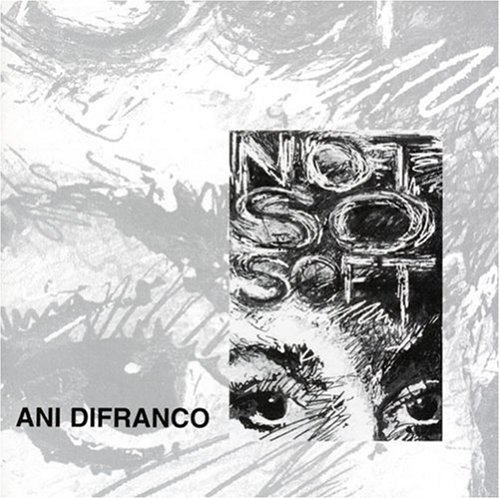
 View Artist