Song Meaning
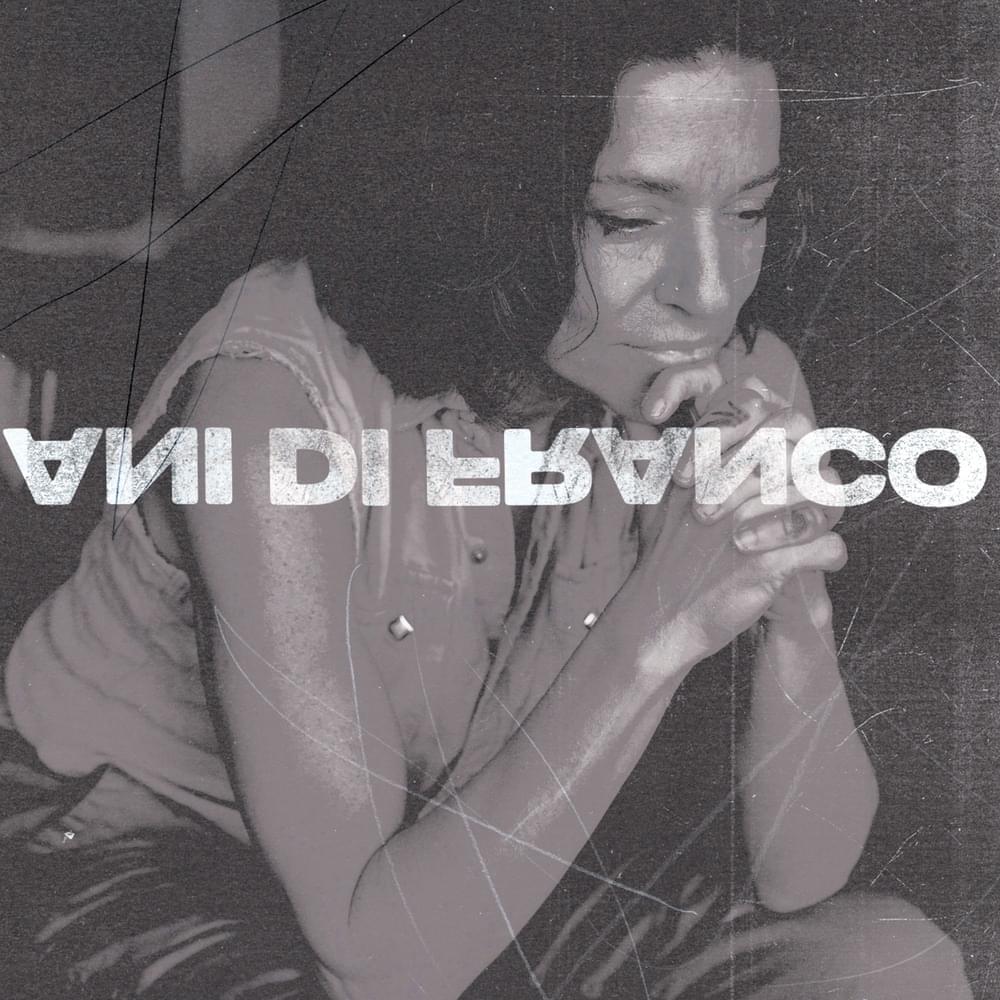
Ani DiFranco's "Boots of a Soldier" isn't a war protest so much as a meditation on inherited experience and the relentless march of time. The central image – literally stepping into the shoes of someone who came before – becomes a potent symbol for grappling with history, both personal and collective. DiFranco isn't just wearing boots; she's inhabiting a narrative, a lineage of lived experience culminating in her present moment. The song subtly explores the weight of that inheritance. There's a quiet acknowledgement of the unknown burdens carried by those who preceded us, the "stories these boots could tell," the unspoken traumas and triumphs that shaped their lives, and, by extension, ours. The use of the name "Slidell" adds a layer of specificity, hinting at a particular individual, a life lived and now gone, leaving only echoes in the objects they once possessed.
The guitar, "ten years my senior," and the weeping willow further reinforce this theme of temporal depth. They are witnesses to countless moments, silent observers of the human drama unfolding across generations. DiFranco’s acknowledgement that "it boggles the mind, oh the passing of time" is a relatable sentiment, a shared human experience of confronting the vastness of history and the limits of our understanding. The lyrics deftly capture the feeling of being both connected to and alienated from the past, recognizing the profound influence of those who came before while simultaneously acknowledging the impossibility of fully knowing their stories. The song’s strength lies in its understated approach, allowing the listener to project their own reflections on mortality, legacy, and the enduring power of human experience onto the evocative imagery.
In the final verse, DiFranco shifts focus to the individual's responsibility within this grand scheme. Referencing one's "tiny little Umwelt," she touches upon the subjective nature of reality and the power of perspective. Ultimately, the song subtly suggests that while we are all products of our past, we also have the agency to shape our present and future. The line "if you're bored, that's on you" is a call to action, a reminder that even within the constraints of history and circumstance, we have the power to create meaning and find purpose. The song meaning, therefore, is not just about looking backward, but also about embracing the present moment and actively engaging with the world around us.
 View Artist